 ultimate-guide
Buy Acid-Free Sleeves for Slabs: 2026 Collector's Guide
Table of Contents
- Why Acid-Free Sleeves for Slabs Matter for Long-Term Value
- Archival-Safe Sleeves for Trading Cards: What the Labels Really Mean
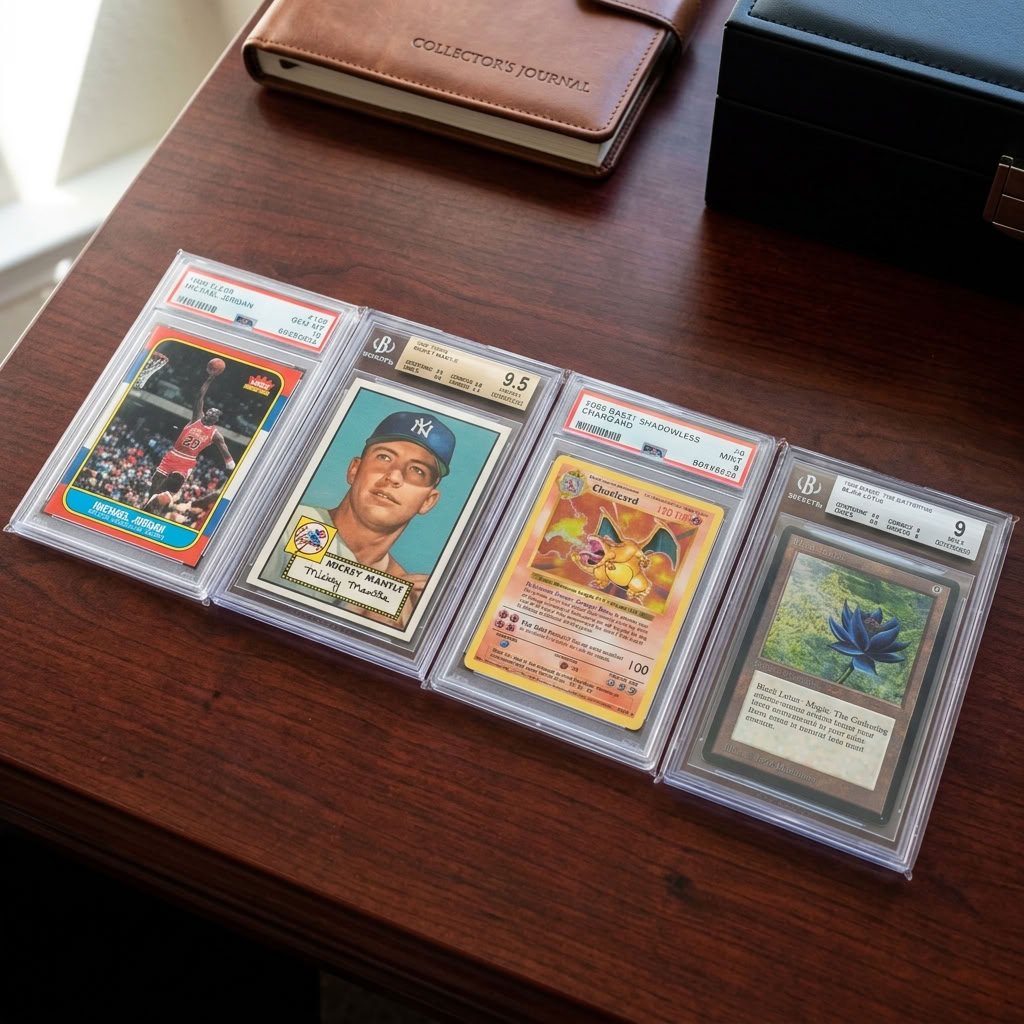
- Slab Sleeve Size Guide: Matching Sleeves to PSA, BGS, SGC, and CGC Holders
- PSA Slab Sleeves: Fit, Clarity, and Closure Options
- Material Comparison: Polypropylene, Polyethylene, and PVC
- How to Protect Graded Cards with Layered Storage
- Cost per Sleeve and Pack-Size Value
- Conclusion
- Frequently Asked Questions
Last Updated: October 17, 2026
Why Acid-Free Sleeves for Slabs Matter for Long-Term Value
If you want to buy acid-free sleeves for slabs, the material matters more than the fit.
At Superior Fit Sleeves, we have been cutting archival-grade enclosures since 2014, back when we launched as the original maker of the tapered-flap perfect-fit sleeve.
Graded slabs already sit inside a hard plastic shell, so a sleeve's job is to shield that shell from dust, handling marks, and light abrasion while adding a chemically inert barrier.
Buying correctly is a short checklist, not a chemistry exam. Below: what the labels mean, how to size a sleeve to each grading company's holder, and how to build layered storage.
Archival-Safe Sleeves for Trading Cards: What the Labels Really Mean
Archival-safe sleeves for trading cards are enclosures made from chemically stable plastics that meet published standards for long-term storage. The label is not regulated, so "archival" on a package means nothing until you check the material and the maker's documentation.
Three terms get used interchangeably and should not be:
- Acid-free describes material with no acidic content that could migrate onto paper or card stock. It says nothing about plasticizer or chlorine content.
- Archival quality implies the product is suitable for long-term preservation, usually backed by a standard such as the Library of Congress recommendations on enclosures for paper-based collections.
- Chemically inert means the plastic will not react with the contents. Polypropylene and polyethylene are the two you want.
How to Verify Acid-Free and Archival Claims
Ask three questions before you buy. What polymer is it? If a seller can't name polypropylene or polyethylene, they're guessing. Does the maker publish a material spec sheet or archival statement? Does the product page describe closure and thickness in measurable terms?
The National Archives guidance on storage enclosures and environmental conditions is a useful benchmark: it stresses stable, inert materials and consistent storage conditions over marketing language.
Slab Sleeve Size Guide: Matching Sleeves to PSA, BGS, SGC, and CGC Holders
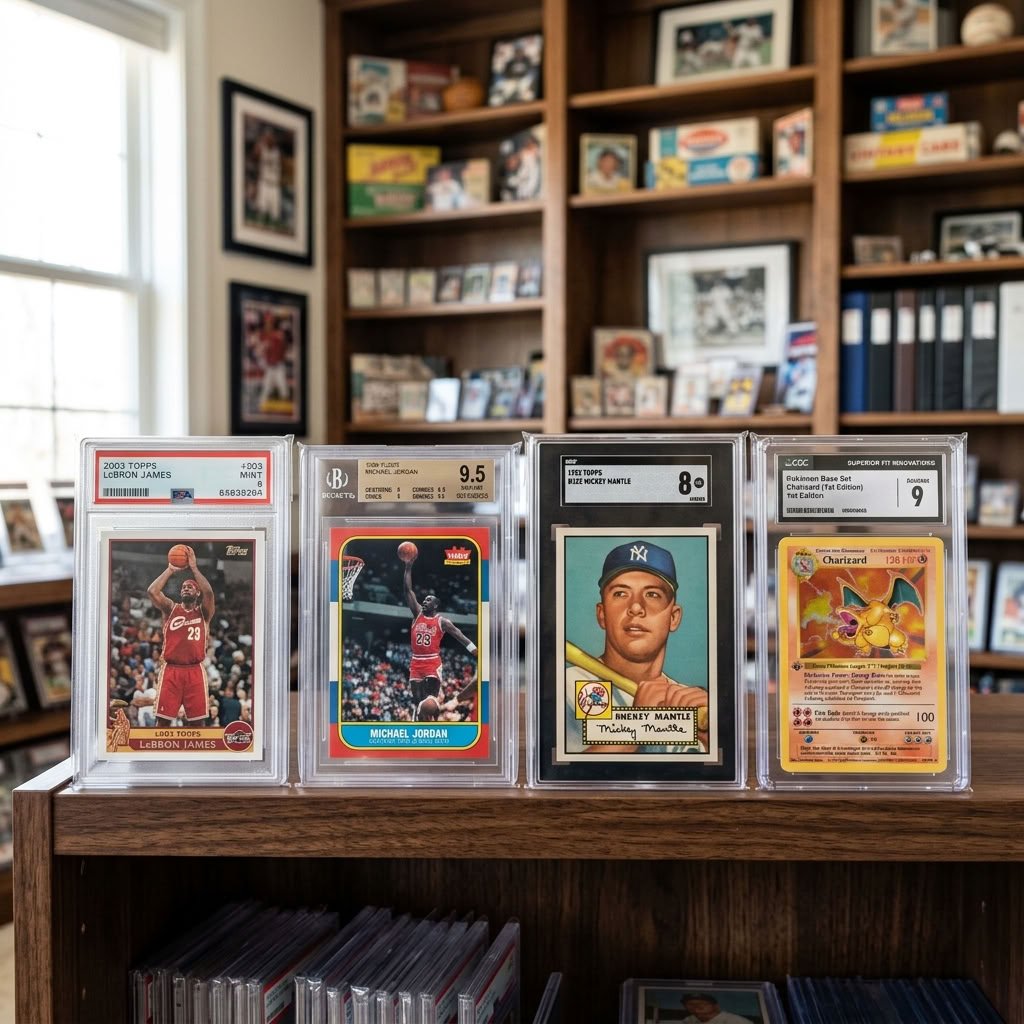
A slab sleeve size guide starts with one rule: measure the holder, not the card. Grading companies use different outer case dimensions, and a sleeve cut for one brand's slab will be loose on another and refuse to slide over a third.
Why Holder Dimensions Differ
Every grading company molds its own case, and those differences aren’t cosmetic. Corner thickness, welded-edge width, and overall footprint all vary. A sleeve sized to nominal card dimensions, not the finished holder, will bind at the corners or leave slack along the long edge.
Holder Type | What to Check Before Ordering | Fit Priority |
|---|---|---|
PSA slab | Outer length, width, and corner thickness | Snug body, easy entry |
BGS slab | Slightly different outer profile; check depth | No corner stress |
SGC slab | Confirm current case dimensions | Flat, even coverage |
CGC slab | Card and comic cases differ; measure both | Correct opening size |
Treat the table as a checklist, not a spec sheet. The numbers that matter are the ones you take off your own holders, because case designs get revised.
How to Measure a Slab for the Right Fit
Use digital calipers to measure the slab's length, width, and thickness at the thickest point, including the corners. If you can, measure three slabs per grading company, since case revisions and molding variation show up at the corners first.
Then apply an allowance. The sleeve has to clear the slab's widest point, pass over the welded seams, and still leave room for the closure to fold.
A Worked Fit Check
Before ordering bulk, run this sequence on one sleeve and one slab from each company you collect:
- Measure the holder with calipers and record length, width, and corner thickness.
- Compare your numbers against the maker's published dimensions, not the card size.
- Slide the slab in dry, without forcing, and confirm the film does not bow at the corners.
If any step fails, the sleeve is the wrong size for that holder, not a defective product. Matching sleeve to holder per grading company is the biggest lever on returns and on how the slab looks.
PSA Slab Sleeves: Fit, Clarity, and Closure Options
PSA slab sleeves work best when they combine a precision cut, high-clarity film, and a closure that keeps dust out without adhesive touching the holder.
Closure style is where most products diverge. A tapered, resealable flap gives you a dustproof seal you can reopen, and it is the design we invented in 2014 and still build our graded card slab sleeves around.
Material Comparison: Polypropylene, Polyethylene, and PVC
Polypropylene is the best default for slab sleeves: it is stiff enough to hold shape, optically clear, and chemically stable. Polyethylene is softer and more flexible, which suits inner sleeves and document sleeves but can wrinkle on a rigid slab.
Material | Clarity | Rigidity | Long-Term Suitability |
|---|---|---|---|
Polypropylene | High | Firm | Excellent for slabs |
Polyethylene | Good | Flexible | Good for soft inner sleeves |
PVC | High initially | Firm | Poor; can degrade |
Thickness is usually quoted in microns or mil. A thicker film resists creasing and scuffing better; a thinner film conforms more tightly.
How to Protect Graded Cards with Layered Storage
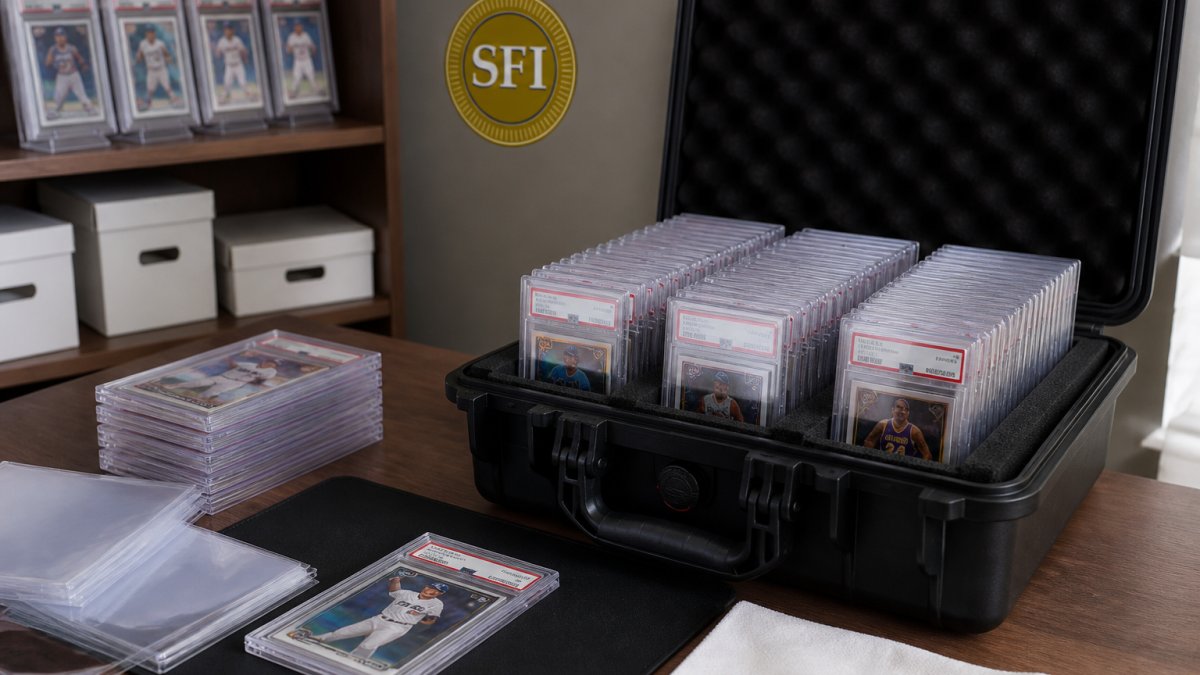
Layered storage means each level does one job: the slab holds the card, the sleeve protects the slab, and the box protects the sleeve. Skip a layer, and the next one up takes the wear.
A practical stack looks like this:
- Slab sealed and free of dust before sleeving
- Acid-free sleeve fitted with the flap closed
- Slabs stored upright, not stacked flat under weight
Know the limits, too. A sleeve stops abrasion and dust, not impact, heat, or water. The Smithsonian Institution guidance on caring for collections makes the same point about environmental stability outweighing any single enclosure.
Cost per Sleeve and Pack-Size Value
Cost per sleeve, not pack price, is the number that matters. Divide the pack price by the count to compare different pack sizes, then factor in how many you will actually use. Bulk quantity can lower unit cost, but only if the sleeves fit your holders.
The Unit-Cost Math
Run a similar calculation on every product you are considering:
- Divide the pack price by the sleeve count to get cost per sleeve.
- Multiply by the number of slabs you actually store to get the real outlay for your collection.
- Add the cost of re-sleeving: sleeves that crease, cloud, or split get replaced, so a lower unit price on a fragile film can cost more over a few years than a higher unit price on a durable one.
Pack Size Against Collection Size
Match pack size to your collection. A collector with a dozen slabs does not need a bulk box that sits open and gathers dust; one with several hundred slabs across multiple grading companies is better served buying the right size for each holder. A few rules hold regardless:
- Buy one small pack first and test the fit on every grading company's holder you own.
- Size the reorder to your shelf.
- Factor in re-sleeving: durable film that stays clear and flat outlasts a cheaper film that clouds.
Pricing for our sleeves depends on pack size and the specific product line, so check the current listings on our site rather than working from an old figure. The math above is what to apply to whatever the current numbers are.
Value Beyond the Unit Price
The lowest-priced sleeve is not the best value if it costs you clarity or fit. A hazy film hides centering and surface flaws, which matters when you photograph a card for sale or insurance, and a poor fit means returns and reorders.
For collectors running top-loaders and magnetic one-touch cases alongside slabs, our top-loader sleeves and magnetic card case sleeves use the same archival approach, so one storage system covers the whole collection and the per-sleeve math applies across every holder type you own.
Conclusion
The hard part of buying acid-free sleeves for slabs is not finding them; it is telling a genuinely inert, well-cut sleeve from a cheap lookalike before it sits against your cards for years.
Superior Fit Sleeves has built archival-grade, acid-free enclosures since 2014, with precision-cut, ultra-clear sleeves for PSA, BGS, SGC, and CGC holders, plus tapered resealable flaps that seal out dust without adhesive.
Frequently Asked Questions
What is a slab sleeve?
A slab sleeve is a clear plastic enclosure sized to fit around a graded card holder, often called a slab. It adds a removable outer layer that keeps the holder free of scuffs, dust, and fingerprints during handling and storage. Most slab sleeves are made from polypropylene or polyethylene and use a resealable flap or open-end design. Collectors use them to protect the grading company's case without altering the card inside. When you buy acid-free sleeves for slabs, check that the material is chemically inert and sized to your specific holder brand.
Will one sleeve size fit PSA, BGS, SGC, and CGC slabs?
Not always. Grading companies use different outer case dimensions, and some holders are thicker or wider than others. PSA slabs are relatively consistent, but BGS holders are thicker, and SGC and CGC cases can vary. A slab sleeve size guide that lists internal dimensions for each brand is the safest way to confirm fit. Measure your holder's width, height, and thickness with calipers, then compare those numbers to the sleeve's stated dimensions. A sleeve that is too loose lets the slab slide; one that is too tight can be hard to insert.
How can I tell whether a slab sleeve is acid-free?
Ask the seller for the base material and any archival documentation. Polypropylene and polyethylene are chemically inert and do not contain plasticizers that can migrate, while PVC sleeves often do. Look for terms like acid-free, lignin-free, and archival-safe on the listing, and treat vague claims without a material name as a warning sign. A simple home check is smell: strong plastic odors can indicate lower-grade material. For long-term storage, buy acid-free sleeves for slabs from a seller that names the polymer and states the sleeve is safe for archival use.
Do graded card slabs need an outer sleeve?
An outer sleeve is not required for the card to remain graded, but it adds a layer of protection that many collectors value. The grading company's holder is designed to protect the card, yet the outer surface can still pick up scratches, dust, and handling marks. A snug archival sleeve keeps the holder clean and makes storage in boxes easier. For high-value slabs, the extra layer also reduces the chance of scuffing when slabs rub against each other. Buy acid-free sleeves for slabs if you plan to store or display them long term.
How should I store sleeved graded cards?
Store sleeved slabs upright in a rigid box or case, away from direct sunlight, heat, and humidity swings. Keep them off concrete floors and out of damp basements or attics. A stable indoor closet or shelf with low light works well. Avoid stacking heavy objects on top of slabs, and do not store them in PVC binders or pages. If you use layered storage, place the sleeved slab inside a larger archival box with acid-free dividers. Check the collection periodically for dust, and handle slabs by the edges to keep the sleeve clear.