 blog
Ultra Pro Alternatives for Card Collectors: 2026 Guide
Last Updated: October 23, 2026
Quick Summary
Ultra pro alternatives for card collectors include semi-rigid Card Saver holders, precision-fit penny sleeves, archival-grade storage solutions, and magnetic one-touch cases. The best choice depends on your card's value, thickness, and intended use, whether for storage, shipping, display, or long-term preservation.
- Precision-fit inner sleeves matter as much as the outer holder; loose sleeves let cards slide and cause surface scuffs.
- Semi-rigid holders suit grading submissions and storage, while rigid top loaders provide maximum corner protection for shipping and display.
- Archival-grade, acid-free sleeves resist yellowing and degradation over decades when paired with climate-controlled storage.
- Card thickness determines holder size; standard cards need different protection than thick cards or graded slabs.
- Clarity and fit are measurable properties: test by tapping the card upside-down and checking for distortion at an angle.
Table of Contents
- Why Collectors Seek Ultra Pro Alternatives
- Best Penny Sleeves for Cards and Graded Slabs
- Trading Card Top Loader Alternatives Explained
- Card Saver vs. Top Loader: Which Protects Better
- Archival Card Storage Solutions for Long-Term Preservation
- Fit and Clarity: What Separates Premium Alternatives
- Choosing the Right Protection for Your Collection
- Frequently Asked Questions
Why Collectors Seek Ultra Pro Alternatives
Trading card collectors face a real problem: the standard options don't always deliver the protection their investments deserve.
The reason is straightforward. Generic sleeves leave gaps. Graded slabs rattle inside standard holders. Top loaders don't always fit snugly against magnetic cases.
At Superior Fit Sleeves, we've engineered solutions specifically for this problem since 2014. Our precision-cut sleeves cut excess bulk while keeping a professional look.
This guide covers what separates premium options from basic ones, how to match the right protection to your specific cards, and why fit and clarity matter more than most collectors realize.
Best Penny Sleeves for Cards and Graded Slabs
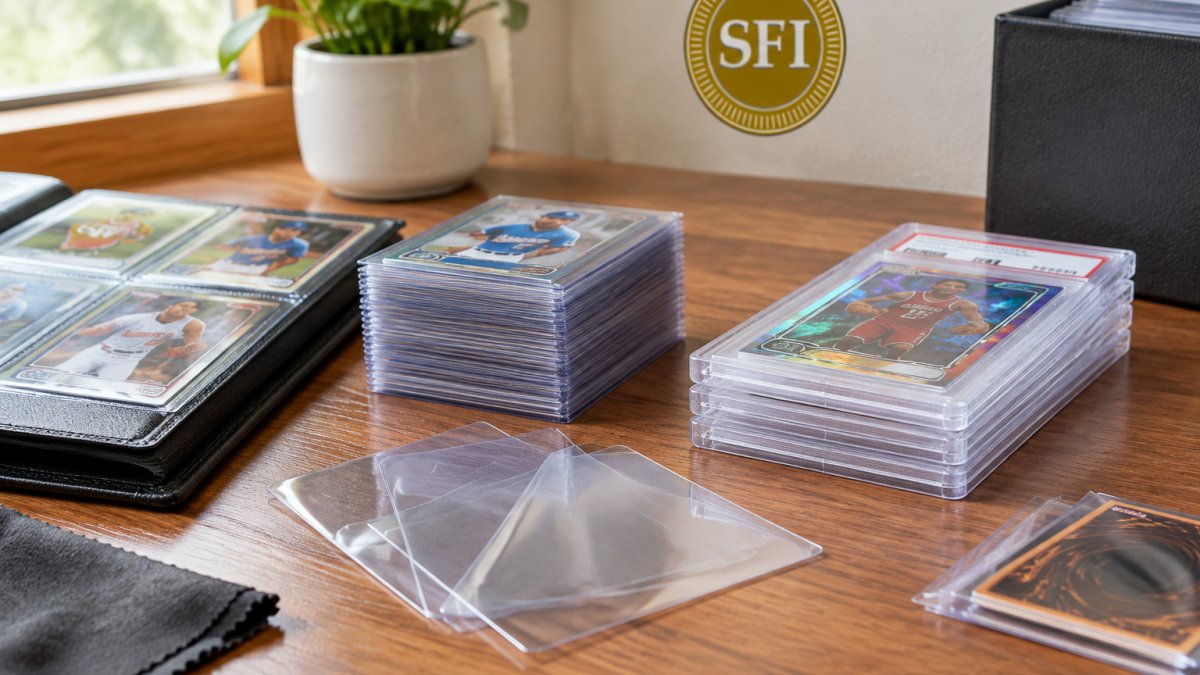
Penny sleeves remain the foundation of most collections, but not all penny sleeves are created equal. The best options offer a tight fit, crystal-clear visibility, and acid-free construction that won't degrade your cards over time.
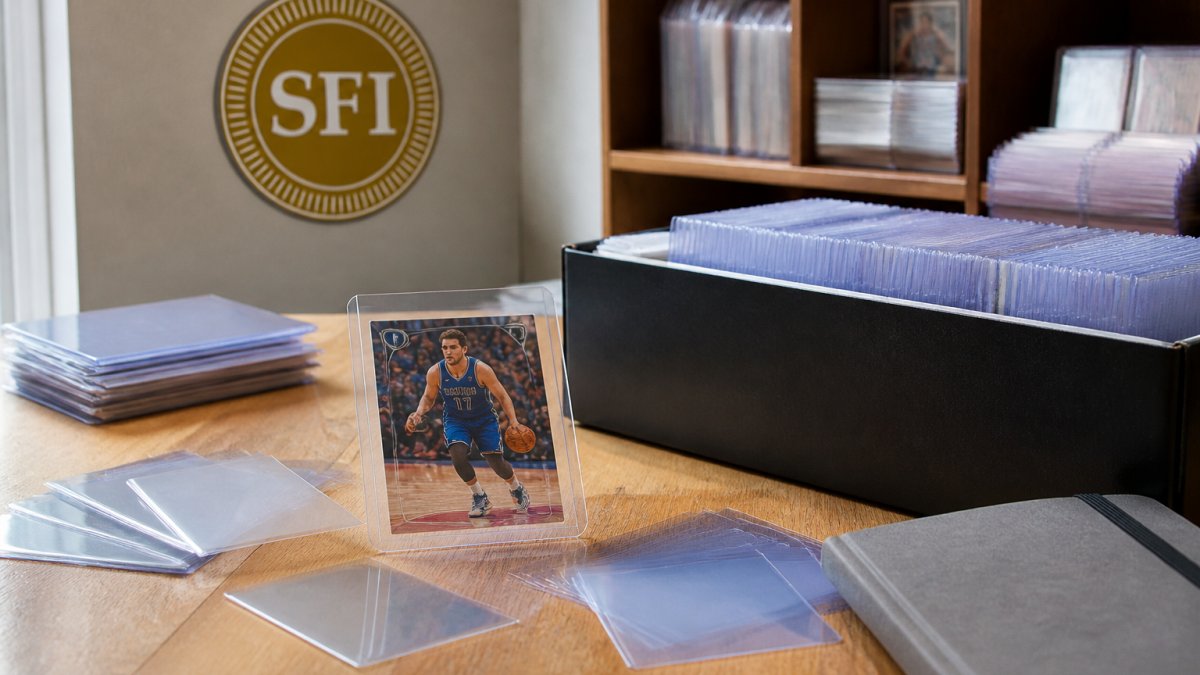
Our tapered, perfect-fit design eliminates the excess plastic that makes standard sleeves look sloppy. The resealable flap keeps cards secure during handling and shipping, and our archival-grade, acid-free material protects against yellowing and deterioration.
Premium penny sleeves stand apart from budget alternatives for three reasons: material thickness, clarity, and construction precision. Thin sleeves feel cheap and offer minimal protection. Cloudy material obscures the card's beauty. Loose tolerances mean cards shift inside the sleeve.
Explore options beyond basic inner sleeves when your collection demands extra security.
Trading Card Top Loader Alternatives Explained
Top loaders have been the default rigid holder for decades, but the market has split into several distinct product types, each solving a different problem. Here is a structured comparison across the main alternatives, plus the fit guidance most guides skip.
The four holder types, compared by job
Holder type | Rigidity | Typical card fit | Best for | Main trade-off |
|---|---|---|---|---|
Penny sleeve (inner) | None | Standard 2.5" x 3.5" cards | Base layer inside every other holder | No corner protection alone |
Semi-rigid holder (Card Saver style) | Semi-rigid | Standard cards, slight flex | Grading submissions, everyday storage | Less corner crush resistance than rigid |
Rigid top loader | Rigid | Standard cards up to roughly 35pt | Shipping, display, high-value singles | Bulk; cards can slide if undersized |
Magnetic one-touch case | Rigid, two-piece | Standard cards, some thick variants | Display and premium presentation | Gap between case and sleeve |
Fit guidance by card thickness
Most fit problems come from mismatching holder size to card thickness, not from brand. A common pattern among collectors:
- Standard cards (around 20pt): a standard top loader or semi-rigid holder fits with a penny sleeve inside. If the card slides freely when you tilt the holder, the holder is oversized for that card.
- Thick cards (35pt to 55pt and up): standard top loaders will bow or refuse to seat the card. Use a thick-card top loader sized to the card's point thickness, and check that the card seats without pressure on the corners.
- Graded slabs: these are not top-loader candidates at all. They need an outer sleeve sized to the slab, not to the raw card.
- Oversized and specialty cards: measure length and width before buying; a standard 2.5" x 3.5" holder will not fit tobacco, jumbo, or die-cut cards.
A simple test: insert the card in its inner sleeve, then turn the holder upside down and tap gently. If the card shifts more than a fraction of an inch, step down a size or add a precision-fit inner sleeve to take up the slack.
Why the inner sleeve decides the outcome
A rigid top loader protects corners only if the card cannot move inside it. A loose penny sleeve lets the card slide, and that sliding scuffs surfaces and softens corners over years of handling. A precision-fit inner sleeve removes that movement, so the same top loader performs noticeably better. This is the detail most brand-comparison articles leave out: the holder and the sleeve are a system, and the sleeve is the cheaper half to upgrade.
Semi-rigid versus rigid, by use case
- Grading submissions: semi-rigid holders are the common choice because they hold the card securely while allowing the slight flex that submission workflows expect. Confirm current submission requirements with the grading company before shipping.
- Shipping: rigid top loaders plus an outer sleeve and rigid mailer remain the standard for transit, because corner crush is the main shipping risk.
- Long-term storage: semi-rigid holders store more cards per box and avoid trapping the card against a hard edge, which many collectors prefer for bulk and mid-value cards.
- Display: magnetic one-touch cases are best, and pairing them with a precision-fit outer sleeve closes the gap that otherwise lets dust in and scuffs the case.
For detailed guidance on protecting sports cards across holder types, explore protecting sports cards in top loaders. The takeaway: choose the holder by use case first, then size it to the card's thickness, then add a precision-fit inner sleeve to stop movement.
Card Saver vs. Top Loader: Which Protects Better
Both work, but they work differently and suit different situations.
Card Savers are semi-rigid holders that offer moderate protection with excellent visibility.
Top loaders provide maximum rigidity and corner protection. They're ideal for cards in transit, for high-value submissions, or for display cases where you want zero movement.
The real difference depends on your use case.
One detail most guides miss: the sleeve you pair with your holder matters as much as the holder itself.
Learn how archival-grade sleeves compare to standard options for protecting graded slabs and get the full picture of protection.
Archival Card Storage Solutions for Long-Term Preservation
Long-term storage requires a different approach than everyday protection. Collectors investing in valuable cards need solutions that protect against environmental threats: acid degradation, yellowing, moisture, and dust.
Archival-grade sleeves are acid-free and engineered to resist yellowing over decades. They're thicker than standard sleeves, offering better protection against physical damage.
Archival solutions combine three elements: acid-free material, proper thickness, and a storage environment that controls temperature and humidity. Even a premium sleeve can't overcome a damp basement or an attic that swings 60 degrees between seasons.
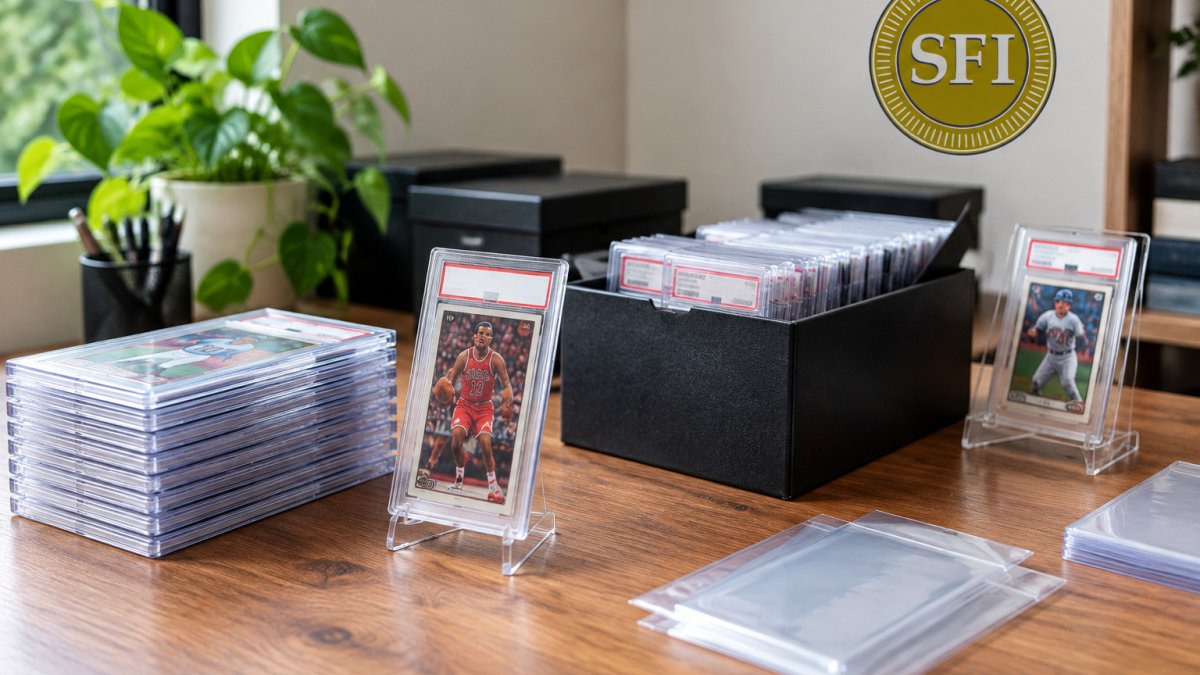
Many collectors overlook the importance of the storage container itself. Acid-free boxes, acid-free dividers, and acid-free sleeves work together. Using premium sleeves in a standard cardboard box defeats half the purpose.
For a complete guide to archival storage, explore archival-grade sleeves and long-term preservation standards. Understanding the full system- sleeve, box, environment, and handling- ensures your collection stays protected for decades.
Fit and Clarity: What Separates Premium Alternatives
Premium alternatives are separated by two things you can actually test: how precisely the sleeve fits the card or holder, and how clearly the material shows the card. Most reviews treat these as brand qualities. They are better understood as measurable properties, and once you know what to look for, you can evaluate any sleeve the same way.
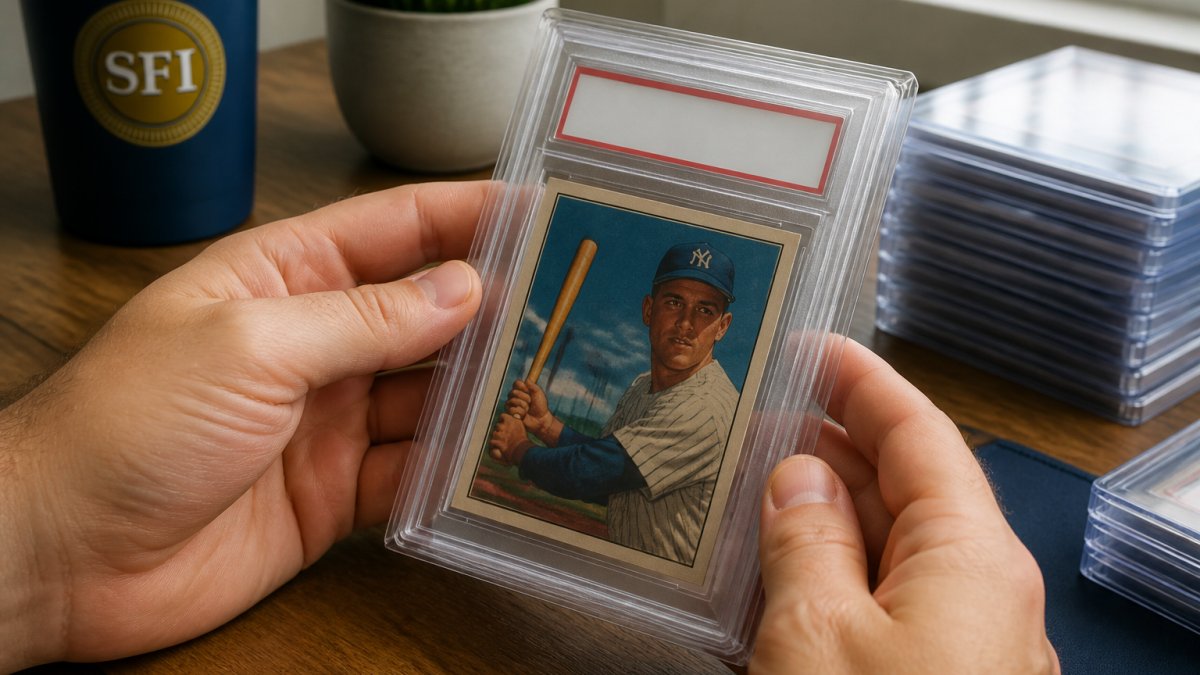
Fit: what precision actually means
Fit is the relationship between three dimensions: card thickness, card length and width, and the sleeve or holder’s internal dimensions. A precision-fit sleeve is cut so the card seats with minimal lateral movement and no pressure on the corners.
- Loose fit lets the card slide. Sliding is the mechanism behind most surface scuffs and corner wear, because grit trapped between card and plastic acts like sandpaper over time.
- Tight fit without crushing holds the card still. The test is whether the card seats fully with light pressure and whether the corners sit flat, not bowed.
- Oversized sleeves on graded slabs create the rattle that collectors complain about, and the excess plastic catches on boxes and scuffs the slab.
A practical check: seat the card, turn the holder face-down, and tap. Movement of more than a fraction of an inch means the fit is loose. Visible bowing or resistance at the corners means the fit is too tight.
Clarity: what to look for beyond "clear"
Clarity is not one property. It breaks into at least three:
- Optical clarity: how much the plastic distorts or hazes the card's image. Hold the sleeve at an angle to a light source; distortion shows as waviness or a milky cast.
- Surface hardness: softer plastic scratches and scuffs more readily, and scuffed plastic reads as cloudy even when the material itself is clear.
- Long-term stability: some plastics yellow or haze over years, especially with UV exposure. Archival-grade, acid-free materials are formulated to resist this, which matters for cards stored for decades.
The handling trade-offs most guides skip
Protection is decided as much by how you insert and remove a card as by the sleeve you choose.
- Insert with the opening down or use a resealable flap. Pushing a card into an open-top sleeve drags the card's surface across the plastic edge, and that edge is where most insertion scuffs happen.
- Never force a card. If it resists, the sleeve is the wrong size. Forcing bends corners, and a bent corner is permanent.
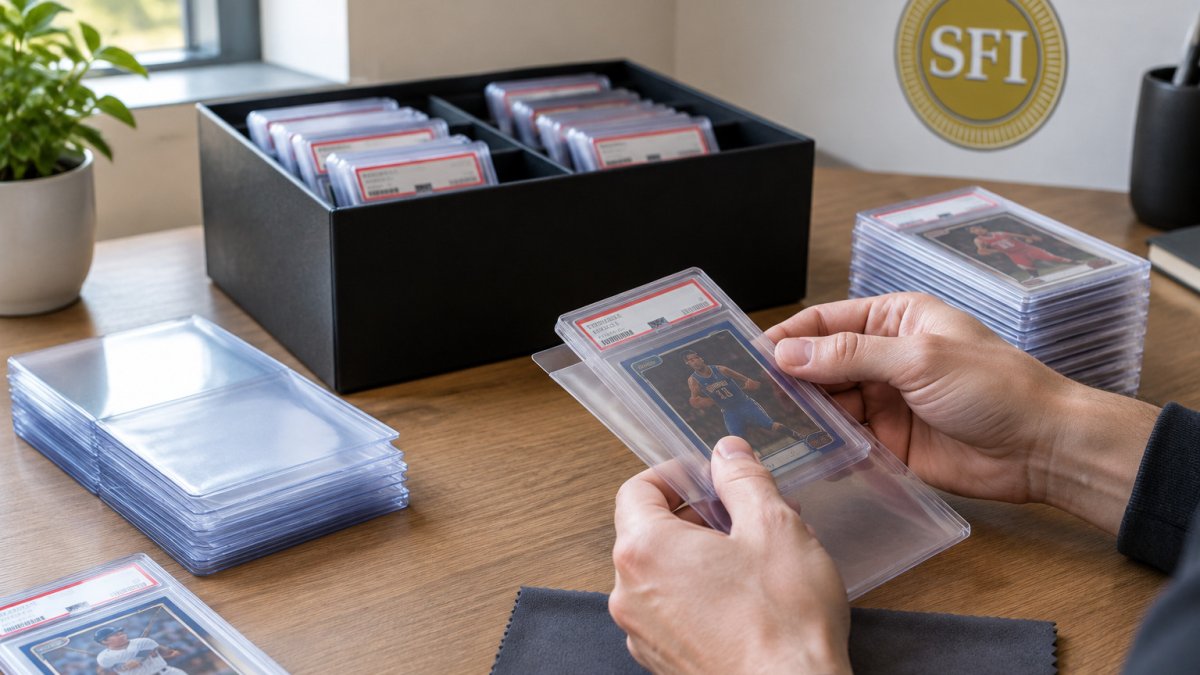
- Remove by the sleeve, not the card. Pulling a card out by its edges stresses the corners; sliding the sleeve off or opening a resealable flap avoids that.
- Pair inner and outer protection deliberately. A precision-fit inner sleeve plus a rigid outer holder gives you movement control and corner protection at once, which neither piece delivers alone.
A quick evaluation checklist
When comparing any two sleeves, check the same four things: does the card move when tapped, does the plastic distort the image at an angle, does the surface scuff under light handling, and does the material carry an acid-free, archival claim you can verify. Those four checks provide valuable insights.
For a deeper comparison of premium protective sleeves, explore best protective sleeves for high-value cards and see how these criteria apply across the options built for serious collectors.
Choosing the Right Protection for Your Collection
The best ultra pro alternative depends on what you're protecting and how you're storing it.
For graded slabs in storage: precision-fit penny sleeves paired with acid-free boxes.
For cards in magnetic cases: precision-fit sleeves that eliminate the gap between case and sleeve.
For long-term preservation: archival-grade sleeves in a climate-controlled environment.
For shipping and transit: rigid top loaders paired with outer sleeves.
For display: semi-rigid holders with crystal-clear sleeves. This offers visibility with protection and fits well in display cases.
The common mistake is treating all cards the same. A PSA 10 rookie card needs different protection than a bulk-lot common.
Protecting your collection requires matching the right sleeve or holder to your specific needs. Get started with graded card slab sleeves and discover why serious collectors trust us to protect their investments.
Frequently Asked Questions
What makes ultra pro alternatives better for serious collectors?
Premium alternatives focus on precision fit, archival-grade materials, and crystal-clear visibility that standard sleeves don't provide. Serious collectors need sleeves that protect graded slabs from dust and handling damage while maintaining a professional appearance. Many alternatives offer acid-free, distortion-free protection specifically engineered for PSA, BGS, CGC, and other major grading companies' cases.
Are penny sleeves safe for valuable trading cards?
Basic penny sleeves offer minimal protection and can yellow or become brittle over time. For valuable cards, especially graded slabs, invest in archival-grade sleeves that are acid-free and designed for long-term storage. These premium options provide superior clarity and material durability compared to bulk penny sleeves, safeguarding your collection's condition and investment value.
How do you choose between a Card Saver and a top loader?
Card Savers and top loaders serve different purposes. Top loaders are rigid holders ideal for shipping and display, offering maximum protection during handling. Card Savers provide semi-rigid protection with better visibility for graded slabs. Your choice depends on your collection's use: choose top loaders for frequent handling and shipping, Card Savers for display and long-term storage of valuable graded cards.
Will sleeves fit all grading company slabs consistently?
Slab dimensions vary slightly between PSA, BGS, CGC, and other grading companies. Precision-cut sleeves engineered for multiple slab types ensure a snug fit without excess bulk across different brands. Verify that any alternative you choose specifies compatibility with your specific grading company's cases to avoid loose or overly tight sleeves that compromise protection.