 Ultimate guide
How to Choose Resealable Sleeves for Card Slabs
Last Updated: November 12, 2026
Quick Summary
Resealable sleeves add a clear, low-profile layer that keeps dust, fingerprints and surface scuffs off a graded card slab. The main benefit comes from a snug, precisely sized fit, since a loose sleeve can rub the slab and a tight one can catch on its seams.
- Measure the slab at its widest point, across the welded seam, not just the card.
- Compare the sleeve's internal dimensions against the slab's external dimensions.
- Test one sleeve first: the slab should seat without force and not slide out when shaken.
- Choose a sleeve that names a stable film and is described as archival grade.
- Store sleeved slabs upright, away from sunlight, heat and humidity swings.
Table of Contents
- Why Graded Card Slabs Need More Than a Case
- How Resealable Sleeves Protect Against Dust, Dirt and Fingerprints
- Reducing Scratches and Scuffs on Graded Card Slabs
- Card Slab Sleeve Fit: Why Precision Matters
- Slab Sleeves vs Hard Protectors: Which Protects Better
- How to Protect Graded Cards Long Term with Archival-Safe Sleeves
- Choosing Your Sleeves for Your Next Collection Upgrade
- Frequently Asked Questions
Why Graded Card Slabs Need More Than a Case
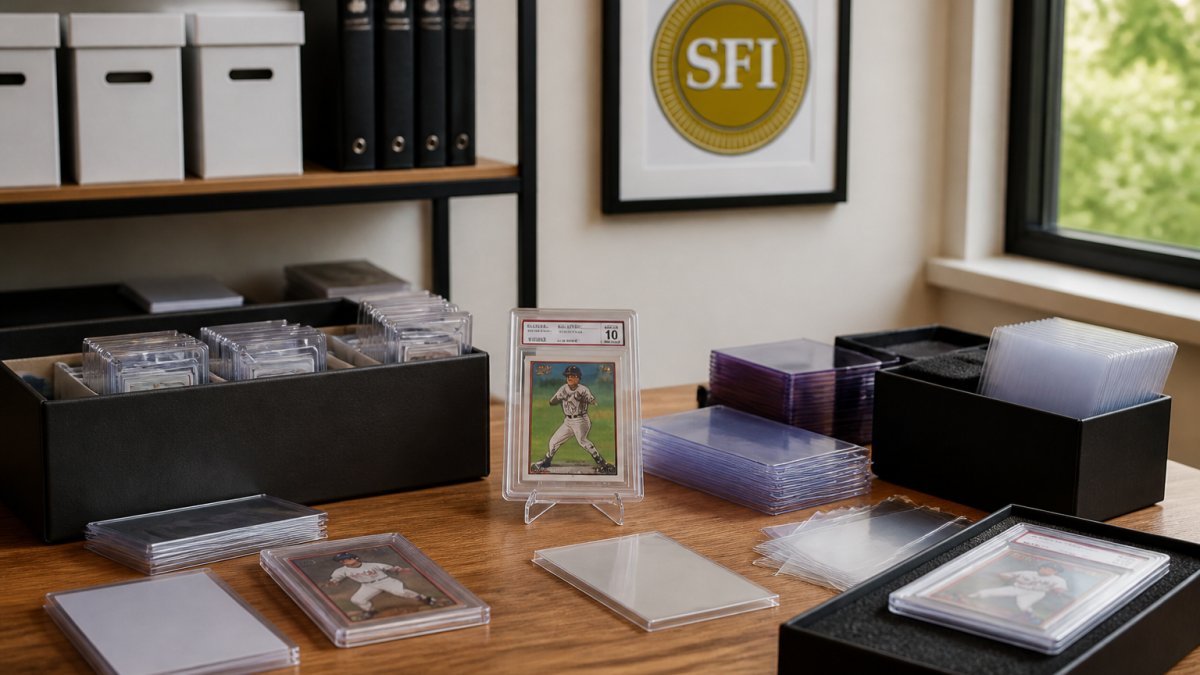
Graded card slabs protect a card inside a sealed plastic shell, but the outside of that shell still gets handled, stacked and scuffed. A resealable sleeve can add a second layer of defense over the slab itself, helping the holder stay clean and clear between display, storage and transport.
A sleeve is a simple idea, but the details decide whether it helps. A loose or oversized sleeve slides around and rubs the slab, while a snug, precisely cut sleeve stays put. Choosing the right sleeve starts with understanding what the slab needs protection from.
How Resealable Sleeves Protect Against Dust, Dirt and Fingerprints
A resealable sleeve closes around the slab with a flap, which keeps dust and loose debris from settling on the holder. Fingerprints are the most common everyday problem, because collectors naturally pick up a slab by its edges and sides. A sleeve gives you a surface to touch so the slab itself stays clean.
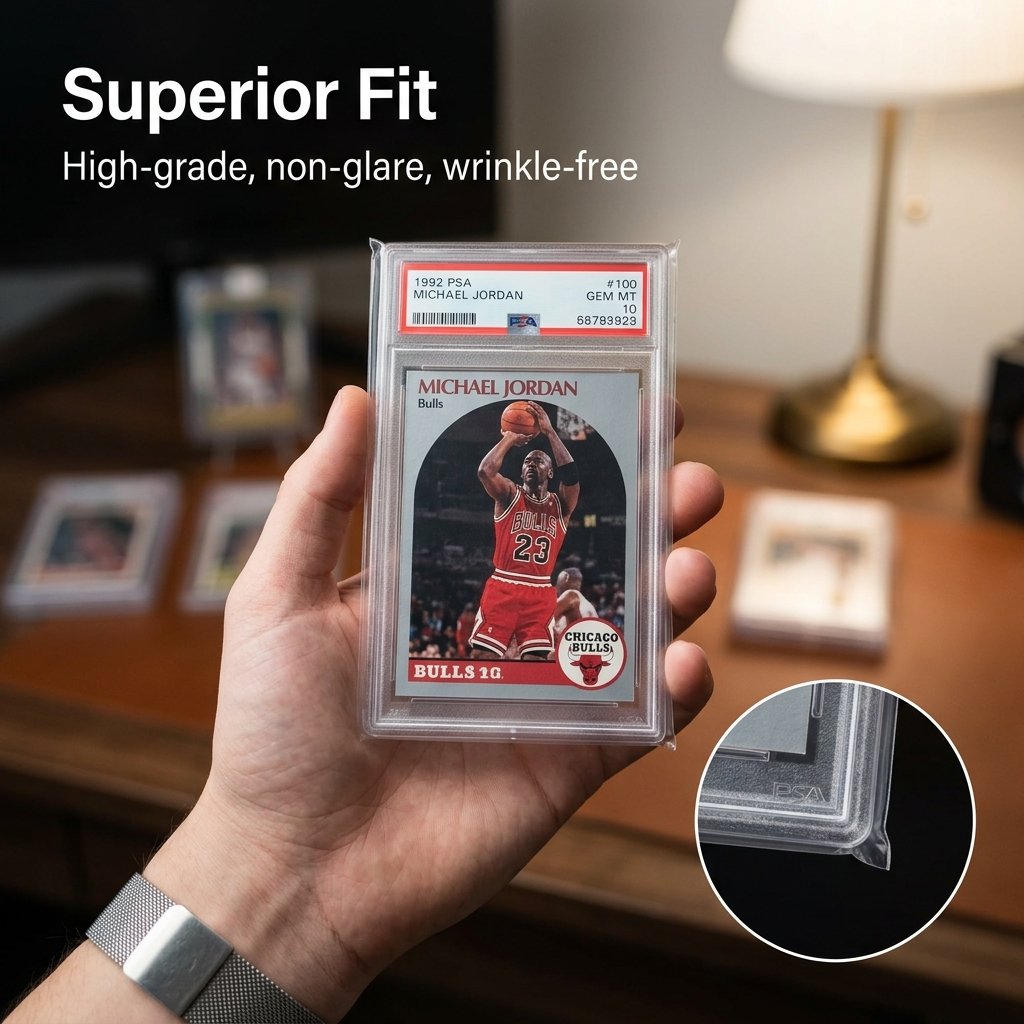
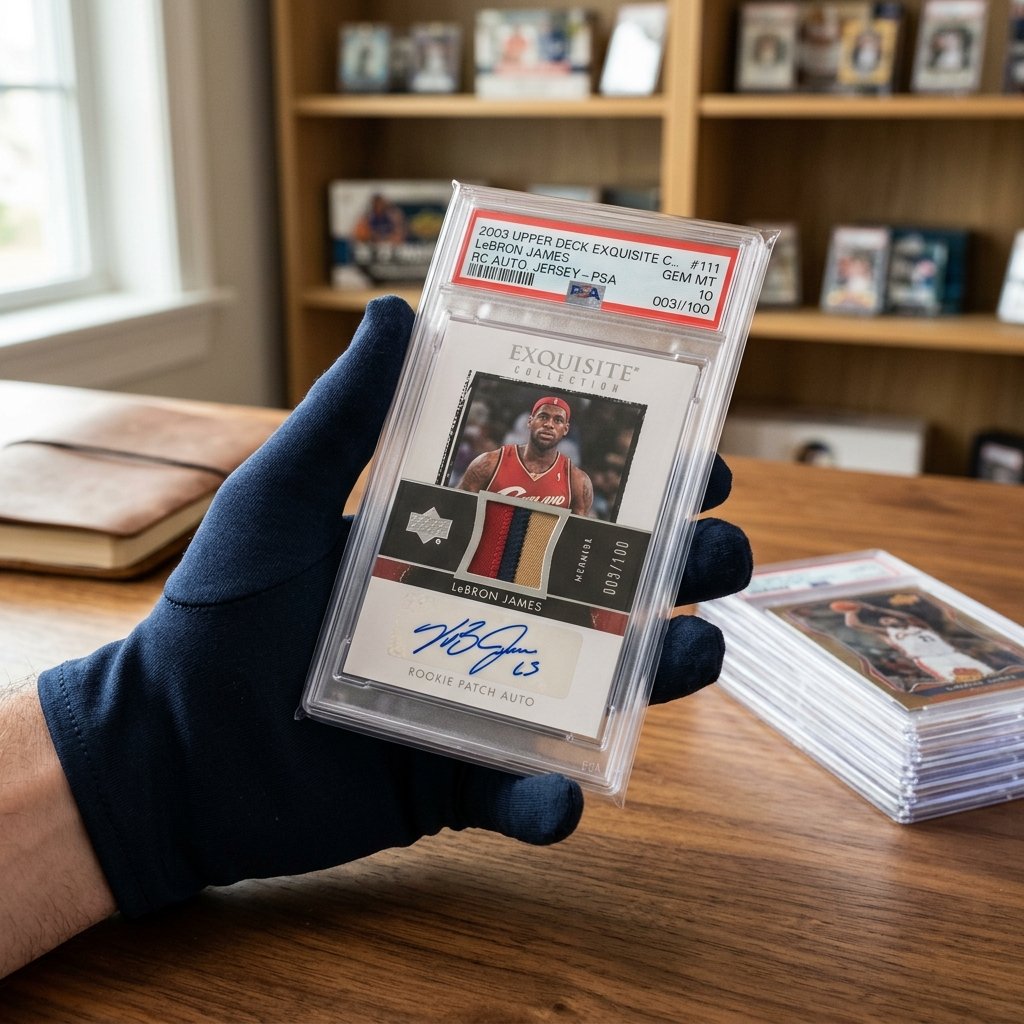
Handle the slab by the sleeve rather than the bare holder whenever you can. Slide the slab in with clean, dry hands, and seal the flap once it is inside. Resealing the sleeve after each viewing can help keep dust out.
Reducing Scratches and Scuffs on Graded Card Slabs
Scratches usually come from contact between holders, not a single dramatic accident. Beyond the sleeve, you can follow seven proven steps to prevent graded slab scratches with practical habits that reduce wear. Slabs stacked edge to edge rub against each other every time you open a box or shift a stack. A fitted sleeve creates a soft, clear buffer between holders, which lowers that friction.
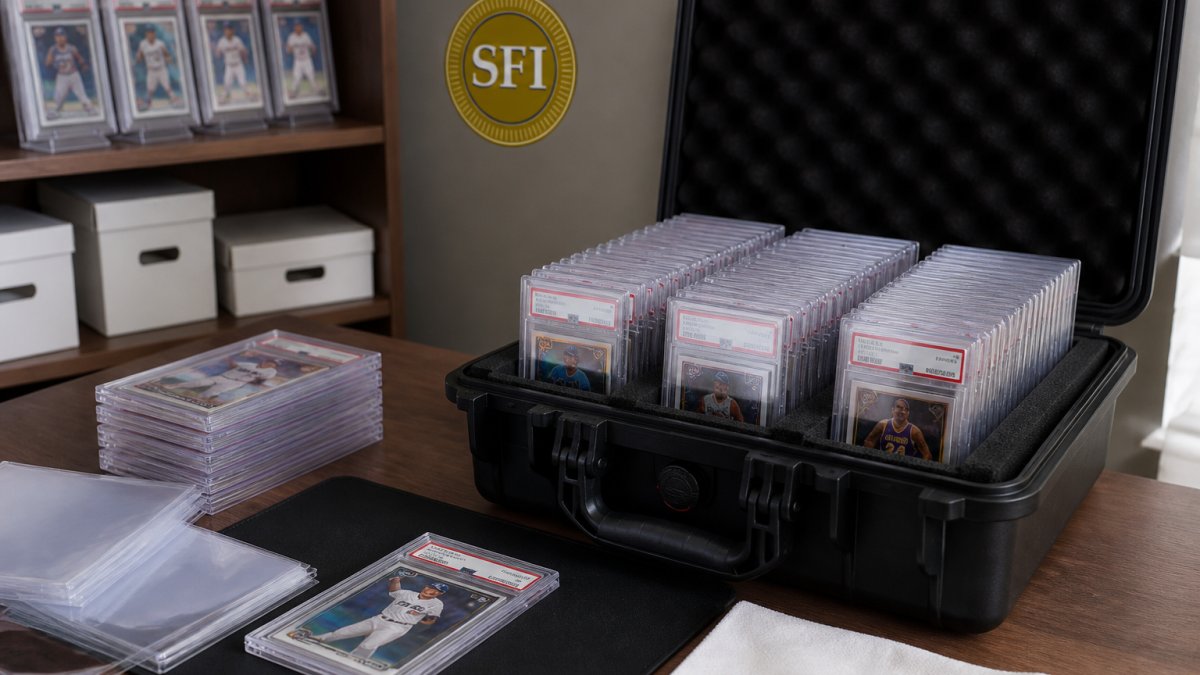
Keep sleeved slabs upright in a box, in the same orientation each time, instead of piling them flat. A sleeve that is too loose can shift inside the box, so fit matters as much as material.
Card Slab Sleeve Fit: Why Precision Matters
Sleeve fit is the difference between a sleeve that protects and one that just adds bulk. Grading companies don't all produce slabs of identical size, and even within one company, the outer shell can vary slightly by era of manufacture. A sleeve sized for one holder can sit loose on another, so check fit against the actual holders in your collection rather than assuming it from the brand name on the label.
Measure the slab, not the card
Measure the outside of the slab, length, width, and thickness, with a ruler or calipers, and measure at the widest point, which is usually across the welded seam rather than the flat face. Record those three numbers for each holder type you own. A sleeve listing that gives only a single dimension, or that describes fit only as "fits graded slabs," tells you almost nothing; you want the sleeve's internal dimensions compared against the slab's external dimensions.
What too tight and too loose actually do
A sleeve that is too tight is the more damaging of the two. It catches on the slab's corners and seams during insertion, and that dragging contact is where fine scratches start. An undersized sleeve also stresses the flap and seam every time it opens, which shortens the sleeve's usable life. A sleeve that is too loose slides on the slab, traps grit between the sleeve and the holder, and rubs that grit across the surface as the slab shifts, scuffing the sleeve was supposed to prevent. The target is a snug fit with a small, even margin: the slab should slide in without force and should not move on its own once seated.
A practical compatibility check
Before committing a whole collection to one size, run a fit test on a single sleeve:
- Measure the slab at its widest point and note length, width and thickness.
- Compare those figures with the sleeve's stated internal dimensions, not its external ones.
- Insert one slab with clean, dry hands and confirm it seats without catching on a corner.
- Turn the sleeved slab upside down and give it a gentle shake, a slab that slides out freely is too loose.
- Seal the flap and check that the flap closes flat without bowing the sleeve.
Watch out: a sleeve that fits one holder type well may catch on the seams of a thicker holder from a different production run, so test each holder type separately rather than assuming a single size covers everything.
You can match sleeve sizes to your collection through the Graded Card Slab Sleeves range.
Slab Sleeves vs Hard Protectors: Which Protects Better
Hard protectors such as rigid top loaders and magnetic cases offer structural protection against bending and impact, while a resealable sleeve offers a clean, low-profile layer against dust, fingerprints, and surface contact. For a closer look at how fitted and penny sleeves compare, see fitted sleeves compared with penny sleeves. The two solve different problems, so the better choice depends on how you use the card.
For slabs you display or store in a box, a fitted sleeve is usually the practical first step. For slabs that travel or sit in high-traffic storage, layering a sleeve inside an additional hard protector gives both benefits.
How to Protect Graded Cards Long Term with Archival-Safe Sleeves
Archival safety is about what the sleeve does to the slab over years, not what it looks like on day one. For a clear explanation of what qualifies a sleeve as archival-safe card sleeves, read the guide. A sleeve sits in direct contact with the holder, so the material it is made from and the adhesive on its flap matter most for long-term storage. Understanding both lets you judge a sleeve on more than a marketing label.
Material composition and why it matters
Sleeves for slabs are typically made from clear plastic films such as polypropylene, polyethylene or PVC, and the choice of film drives how the sleeve behaves over time. PVC is the one to be cautious about: it is often softened with plasticizers that can migrate out of the film, and that migration is what shows up as clouding, tackiness or a film on the surface of whatever the sleeve touches. Polypropylene and polyethylene are generally chosen for storage because they are more chemically stable and less prone to that migration. A sleeve described as archival grade should name a stable film rather than leave the material unstated.
Adhesive contact and residue risk
The resealable flap is where adhesive enters the picture. On a well-designed sleeve the adhesive strip sits on the flap and bonds to the outside of the sleeve body, not to the slab, so the slab never touches adhesive. The risk appears when a flap is misaligned, when a sleeve is overloaded so the flap cannot close flat, or when adhesive is exposed on the inside face. Over time, adhesive that is pressed against the holder or left exposed can transfer a tacky residue that attracts dust and is difficult to remove without touching the slab surface. Check where the adhesive actually lands before you trust a sleeve with a long-term card.
How to assess a sleeve for long-term storage
You cannot run a lab test at home, but you can screen a sleeve before it goes into long-term storage:
- Confirm the sleeve names its film material and describes it as acid-free and archival grade.
- Smell the sleeve, a strong chemical or plastic odor is a reason to be cautious.
- Check that the adhesive strip is on the flap and bonds only to the sleeve's outer face.
- Seal a test sleeve and leave it for a period, then inspect for clouding, tackiness or residue before sleeving a valuable slab.
- Confirm the sleeve is clear and stable rather than tinted or prone to yellowing.
Watch out: a sleeve that feels slightly tacky on the inside face, or whose flap does not sit flat, is a poor candidate for a slab you intend to store untouched for years, the residue risk outweighs the protection.
Storage conditions still do the heavy lifting
Material quality is only half the job. Store sleeved slabs away from direct sunlight, heat and humidity swings, keep them upright and in a stable environment, and inspect them periodically for signs of clouding or residue. A sleeve is a light barrier, not a sealed vault, so it slows dust and surface contact but does not stop moisture vapor or protect against impact. For slabs in long-term storage, pair a stable, archival-grade sleeve with a stable environment and a rigid outer box, and re-check the sleeves whenever you rotate the collection.
Choosing Your Sleeves for Your Next Collection Upgrade
Start by measuring what you actually own. Sort your slabs by holder type, note any size differences, and choose sleeves that match the most common holders first. A small collection benefits from a few well-fitted sleeves, while a large collection gets more value from buying in quantity.
Browse the Graded Card Slab Sleeves range and the Top-Loader Sleeves range to see which fit suits your holders. Pricing depends on quantity, dates, and delivery, so check the Superior Fit Sleeves website for current prices or a quote.
Before buying, measure what you own and match sleeves to your most common holders.
Step | What to do | Note |
|---|---|---|
Measure the slab | Check length, width and thickness at the widest point | Across the welded seam |
Compare internal size | Match sleeve internal dimensions to slab outside dimensions | Not the external size |
Test one sleeve | Insert one slab with clean, dry hands | It should seat without force |
Shake test | Turn the sleeved slab upside down and shake gently | A slab that slides out is too loose |
Check the flap | Seal the flap and confirm it lies flat | Flap should not bow the sleeve |
Test each holder type | Run the fit test on every holder type separately | Thicker holders can catch on seams |
Protecting a slab is a daily habit, and the right sleeve makes that habit easy. Superior Fit Sleeves has built its resealable designs around a precise, tapered fit and clear, acid-free materials, so your collection stays protected and presentable. Explore the sleeve range and pick the fit that matches your holders.
Frequently Asked Questions
Should you keep graded card slabs in plastic sleeves?
Many collectors do, because a clear sleeve adds a barrier against dust, fingerprints and light surface scuffs without hiding the slab. A resealable sleeve lets you check the holder without fully unpacking it each time. Sleeves do not replace careful handling, and you should still store slabs upright in a dry place away from heat and direct sunlight. Choose a sleeve sized to the slab rather than a loose generic fit, since a snug sleeve moves less and rubs less.
Do sleeves help prevent scratches on graded card slabs?
A sleeve can reduce the scuffs and micro-abrasions that come from sliding slabs in and out of storage boxes or binders. It does not make a slab impact-proof, so a dropped slab can still crack its holder. The main gain is a sacrificial layer that takes the rubbing instead of the slab shell. Inspect sleeves periodically and replace any that have become cloudy or worn.
Are resealable sleeves better than open-ended slab sleeves?
Resealable sleeves close at the top, which helps keep dust and debris out and keeps the slab from sliding during transport. Open-ended sleeves are quicker to slide in and out, but they leave the top exposed. Resealable designs suit collections that are stored, displayed or moved often. Open designs can work for quick checks in a controlled environment.
How do you choose the right sleeve for a graded card slab?
Start by matching the sleeve to your slab's dimensions and to the grading company's holder style, since fit varies across brands. Look for a tight but not forced fit, clear material and a resealable flap that closes without gaps. Check whether the sleeve is sold as a fit for your specific slab type. Buy a small test quantity first if you are sleeving a mixed collection.