 how-to
How to Protect Graded Slabs: A Step-by-Step Guide
Table of Contents
- Why Protecting Graded Slabs Matters for Collector Value
- Understanding Graded Card Protectors and Slab Materials
- Step-by-Step Process to Protect Your Graded Slabs
- How to Clean Graded Card Slabs Safely
- Best Storage Practices for Graded Cards
- Common Mistakes to Avoid When Protecting Graded Slabs
- Frequently Asked Questions
Last Updated: September 1, 2026
Why Protecting Graded Slabs Matters for Collector Value
Graded slabs are documented investments with certified condition grades that directly impact resale value. When you protect them properly, you're safeguarding the official grading assessment itself, what collectors and investors actually pay for.
Surface scuffs, micro-scratches, dust accumulation, and UV damage degrade visual appeal without affecting the grade, but they absolutely affect what a buyer will pay. A PSA 9 card in a damaged slab looks worse than a PSA 8 in pristine condition, even though the grades suggest otherwise.
According to Professional Sports Authenticator's collector guidelines, maintaining slab integrity is essential for long-term asset preservation. Superior Fit Sleeves has been engineering precision-cut protective solutions for collectors since 2014, specifically addressing this gap with archival-grade, acid-free sleeves designed to fit graded slabs from PSA, BGS, and CGC without loose fit or excess material that damages cards during handling or storage.
Understanding Graded Card Protectors and Slab Materials
Not all protective sleeves are created equal. Material composition determines whether your graded slab stays pristine or deteriorates over time.
Acrylic and Polycarbonate Slab Housing
Acrylic housing offers superior optical clarity with minimal distortion, ideal for serious collectors who want flawless display. However, acrylic is more brittle and susceptible to cracking under impact, and can yellow over extended periods if exposed to UV light.
Polycarbonate provides exceptional impact resistance and durability without cracking or shattering under drops, making it preferred for collectors who handle slabs frequently. The trade-off is slightly less optical clarity than premium acrylic, though the difference is minimal with modern manufacturing.
Archival-grade materials, whether acrylic or polycarbonate, must be acid-free and lignin-free to prevent chemical degradation of the card inside. Budget sleeves often use materials that off-gas over time, creating a corrosive environment.
Protective Sleeves and Bumper Guards
Protective sleeves are the first line of defence against handling wear and dust accumulation. A properly fitted sleeve creates a snug barrier without pressure on the slab itself. Loose sleeves allow the slab to shift during transport, causing micro-scratches inside the protective case.
Bumper guards add secondary protection to corners and edges where impact damage occurs most frequently. They're particularly valuable for high-value cards that see regular handling or travel to shows and events.
Precision-cut sleeves designed for specific slab dimensions PSA, BGS, CGC, outperform universal sleeves because they prevent movement without applying pressure. Superior Fit Sleeves addresses this with tapered, precision-cut designs that fit each grading company's slab dimensions exactly.
Step-by-Step Process to Protect Your Graded Slabs
Protecting your graded slabs is straightforward, but execution matters. Small mistakes during sleeving can introduce the very scratches and damage you're trying to prevent.
Step 1: Select the Right Protective Sleeve
Before you touch a single slab, identify which grading company certified each card. PSA, BGS, and CGC each use slightly different slab dimensions. Using a sleeve designed for the wrong slab type means either excess material that bunches up or a fit so tight it risks damaging corners.
Check the grading company's official slab dimensions if you're unsure. Most collectors have a mix of slabs from different companies. Consider whether you need additional features like bumper guards for high-value cards or UV-protective materials if your collection will be displayed under lights.
Step 2: Inspect Your Slabs Before Sleeving
Before placing any slab into a protective sleeve, examine it for existing damage. Look for cracks in the acrylic or polycarbonate housing, loose corners, or visible separation between slab layers. If you discover structural damage, address it before sleeving.
Check the interior of the slab for dust or debris that might have entered during storage or handling. If you see particles inside, clean the exterior of the slab before sleeving. Sleeving a slab with internal dust traps that dust inside the sleeve, where it can scratch the card surface.
Step 3: Apply Sleeves with Proper Handling Technique
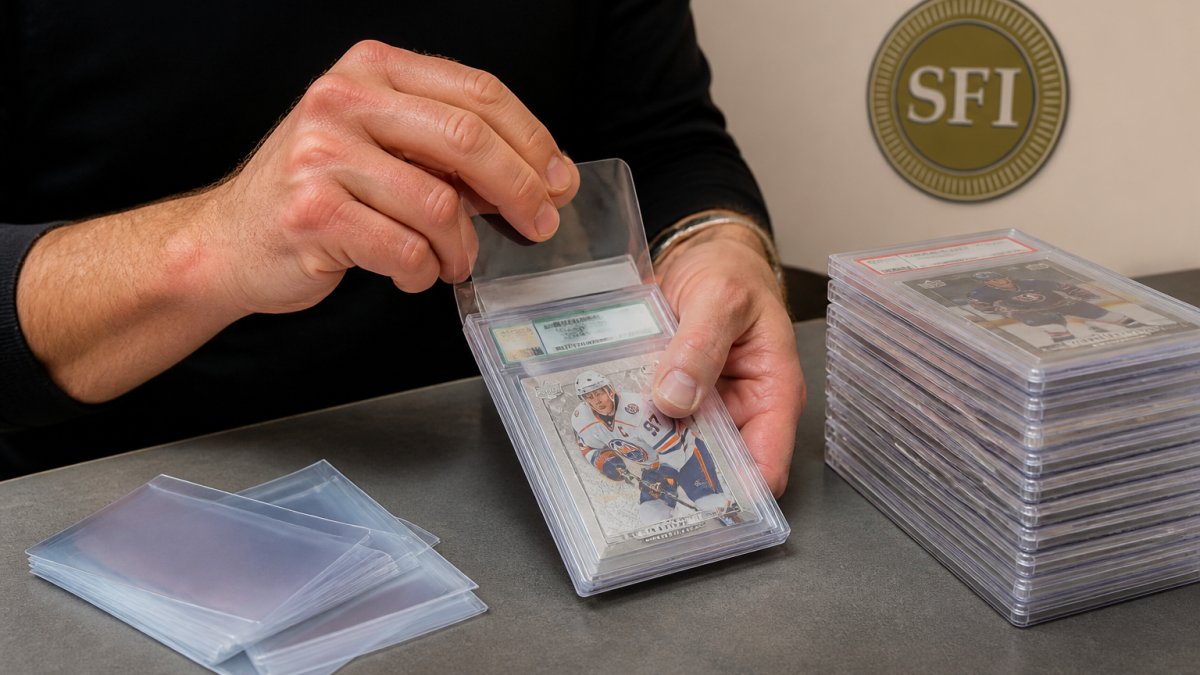
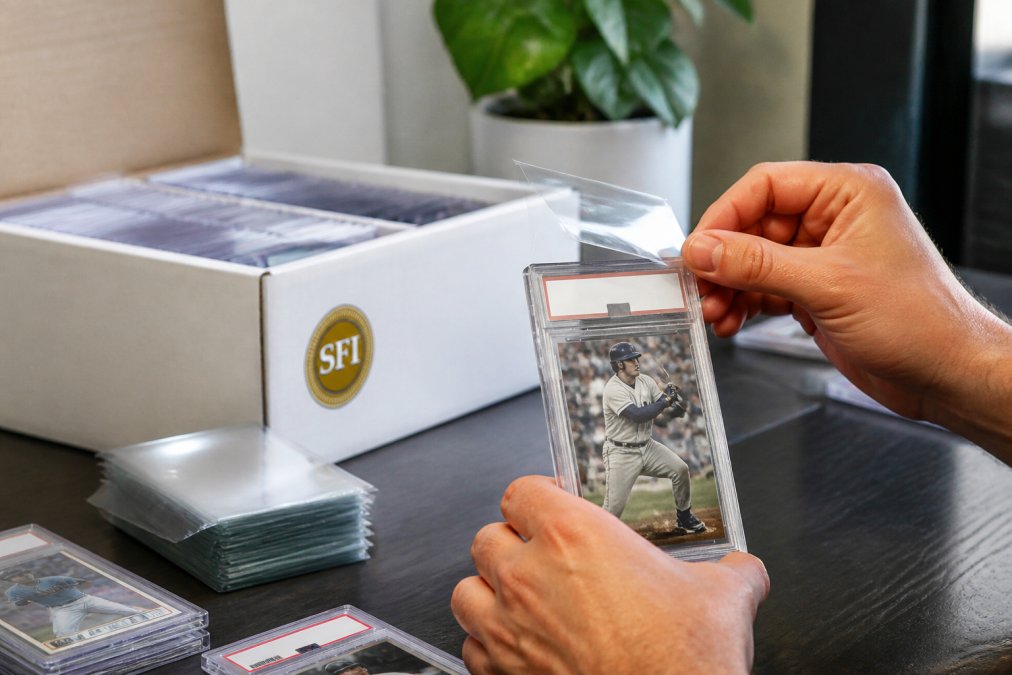
Hold the slab firmly but gently. Position the sleeve opening and guide the slab in slowly, allowing it to seat naturally without forcing. Never rush this step, hurried insertion can cause the slab's corner to catch the sleeve edge, creating a micro-scratch.
Once the slab is fully seated in the sleeve, verify that it sits flush and doesn't shift when you gently rotate the sleeve. A properly fitted sleeve holds the slab securely without any movement.
Step 4: Add Secondary Protection for High-Value Cards
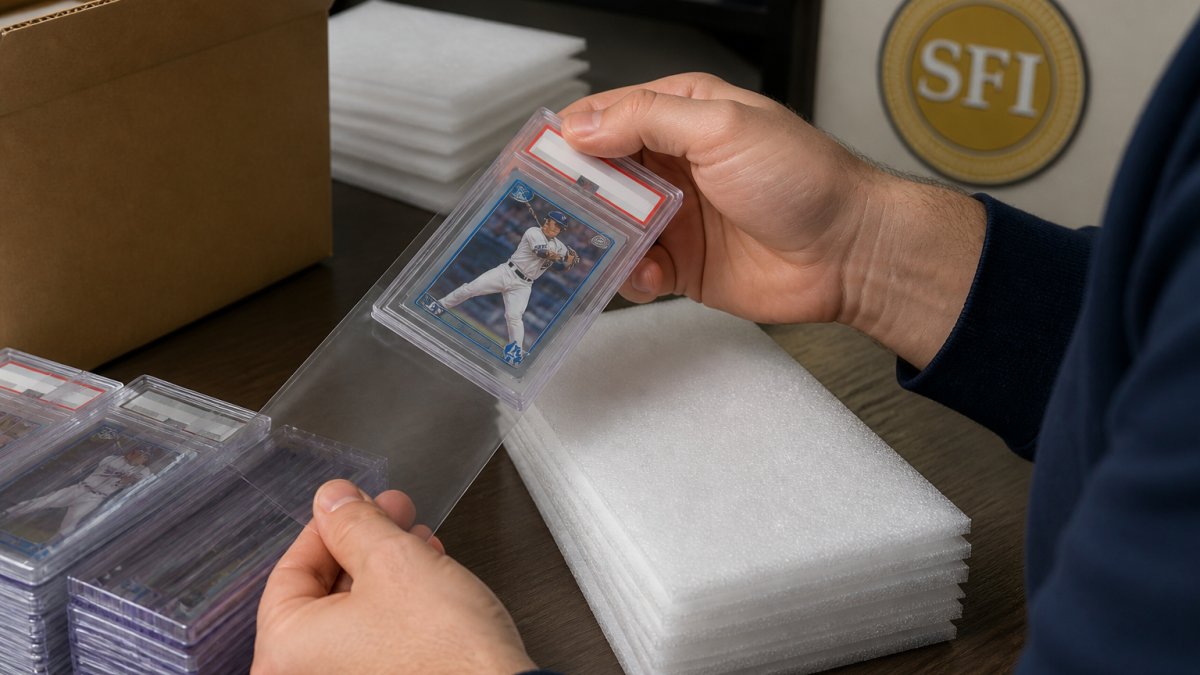
For cards valued above $500, consider adding a second layer of protection such as a top-loader or magnetic one-touch case designed for graded slabs. Secondary protection is especially important if the card will travel to shows, be shipped to potential buyers, or be handled frequently.
How to Clean Graded Card Slabs Safely
Cleaning is where many collectors cause unintended damage. Use only soft, lint-free microfiber cloths and distilled water for basic cleaning. Dampen the cloth slightly and wipe gently in one direction rather than circular motions, which can create visible swirl marks.
For stubborn fingerprints or residue, a 50-50 mixture of distilled water and white vinegar works effectively. Apply the mixture to the cloth first, then wipe the slab gently. Never use commercial glass cleaners, acetone, or alcohol-based solutions, as these can degrade certain plastics over time.
Avoid compressed air for dust removal. The pressure can force particles into slab seams or create static electricity that attracts more dust. A soft brush or cloth works better. Never attempt to clean the interior of a slab, if dust or debris is visible inside, the slab has a structural issue requiring professional assessment.
Best Storage Practices for Graded Cards
Storage conditions directly impact how long your graded slabs remain in pristine condition.
Environmental Conditions and UV Protection
Temperature stability is critical. Extreme fluctuations cause the acrylic or polycarbonate housing to expand and contract, stressing seams and creating micro-cracks over time. Aim for storage environments that stay between 65-75°F year-round (the NIH). Basements and attics experience temperature swings that accelerate material degradation.
Humidity control is equally important. High humidity (above 60%) promotes mold growth and corrosion. Low humidity (below 30%) makes paper and cardboard brittle. Most collectors aim for 40-50% relative humidity (loc.gov).
UV light is the primary driver of material degradation. Both acrylic and polycarbonate yellow when exposed to direct sunlight or intense artificial light. Store your collection away from windows and use UV-blocking display cases if you want slabs visible under lighting.
Organization Systems and Display Cases
Storing slabs vertically (standing up like books on a shelf) distributes weight more evenly and reduces pressure on individual corners compared to stacking them horizontally.
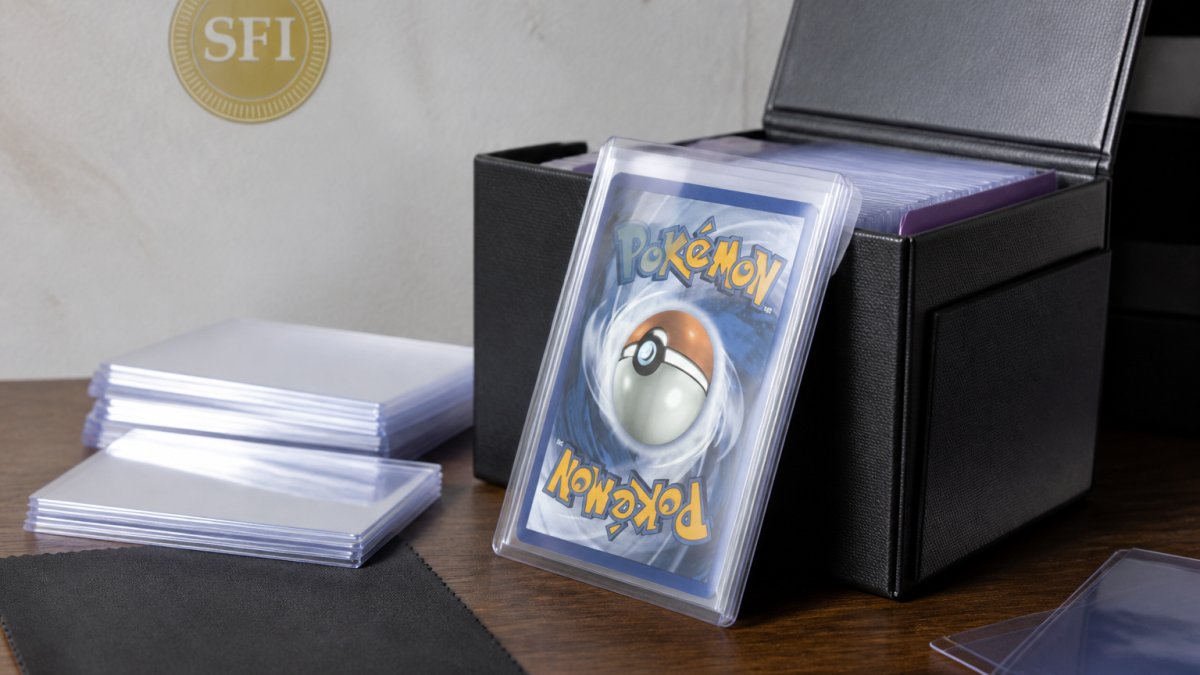
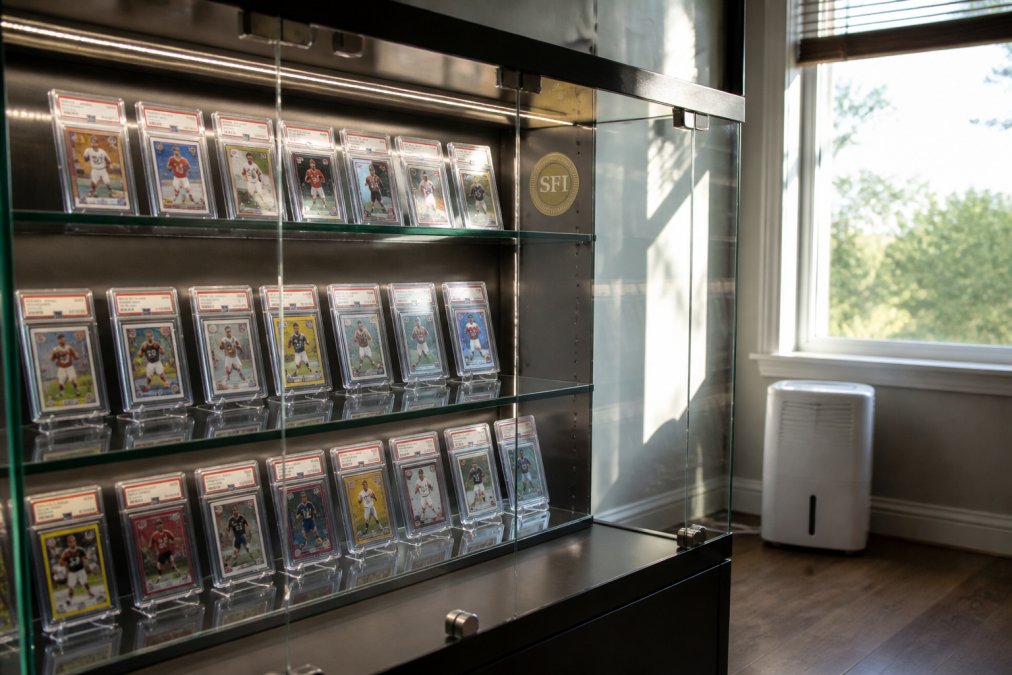
Display cases designed for graded cards provide dust protection while maintaining visibility. Glass or acrylic cases with adjustable shelving let you organize by grade, sport, set, or any system that makes sense for your collection. Many serious collectors use a tiered approach: high-value slabs in individual magnetic cases stored in a locked cabinet, mid-tier cards in organized display cases, and bulk inventory in archival storage boxes.
Label your storage system clearly. A simple spreadsheet tracking which slabs are stored where, their grades, and approximate values helps you locate specific cards and assess collection value without handling every slab repeatedly.
Common Mistakes to Avoid When Protecting Graded Slabs
Most damage to graded slabs happens not from catastrophic accidents but from small, repeated mistakes that accumulate over time.
The first mistake is using universal sleeves that don't fit specific slab dimensions. This creates movement and friction that produces micro-scratches. Precision-fit sleeves designed for PSA, BGS, or CGC slabs eliminate this problem entirely.
The second mistake is storing slabs in unstable temperature or humidity environments. Basements, attics, and garages experience seasonal swings that accelerate material degradation. Collectors often discover damage only years later when they remove a slab from storage and notice yellowing or visible stress fractures.
The third mistake is mixing storage methods. Slabs stored in plastic bins without climate control deteriorate faster than those in dedicated display cases. If you're investing in protective sleeves and high-quality slabs, the storage environment should match that investment level.
The fourth mistake is handling slabs with dry hands or without proper grip. Static electricity can attract dust, and fumbling increases the chance of dropping it.
The fifth mistake is assuming all archival-grade sleeves are equivalent. Material quality varies significantly between manufacturers. Budget "archival" sleeves often yellow or become brittle within 5-10 years, while premium archival sleeves maintain clarity and flexibility for decades.
Protecting graded slabs is fundamentally about asset preservation. The right approach combines precision-fit protective sleeves, proper handling technique, and a stable storage environment. These three elements work together to prevent the surface scuffs, micro-scratches, and UV damage that erode collector value over time.
Superior Fit Sleeves specializes in exactly this problem, precision-cut, archival-grade protective sleeves designed for PSA, BGS, CGC, and other major grading companies' slab dimensions. The brand's tapered sleeve design eliminates the loose fit that causes internal movement, while acid-free materials prevent chemical degradation of the card inside. Visit Superior Fit Sleeves to explore graded card slab sleeves engineered for precision fit and long-term archival protection.
Protection Layer | Best For | Key Benefit |
|---|---|---|
Precision-fit protective sleeve | All graded slabs | Prevents internal movement and micro-scratches |
Bumper guards | High-value cards ($500+) | Absorbs corner impact damage |
Top-loader or magnetic case | Cards handled frequently or shipped | Rigid secondary protection during transport |
Climate-controlled display case | Entire collection | Maintains stable temperature and humidity |
UV-filtered lighting | Visible display slabs | Prevents yellowing and material degradation |
Frequently Asked Questions
Q: What is the best way to protect a PSA slab?
A: The best approach combines precision-fit protective sleeves with proper storage conditions. Use archival-grade, acid-free sleeves designed specifically for your grading company's slab dimensions—whether PSA, BGS, or CGC. Store slabs in a climate-controlled environment away from direct sunlight, and add bumper guards or secondary cases for high-value cards. This multi-layer approach prevents surface scuffs, micro-scratches, and UV damage while maintaining the slab's integrity and collector value.
Q: Should you keep graded slabs in plastic sleeves?
A: Yes, keeping graded slabs in plastic sleeves is essential for long-term preservation. Protective sleeves shield against dust accumulation, handling wear, and environmental contaminants. However, use only archival-grade, acid-free sleeves to prevent yellowing or fogging over time. Standard polypropylene sleeves can degrade, while high-quality protective sleeves maintain clarity and don't interact chemically with the slab's acrylic or polycarbonate housing, ensuring your collection's value and appearance remain protected.
Q: How do you store graded card slabs to prevent UV damage?
A: Store graded slabs in a dark, climate-controlled space away from direct sunlight and fluorescent lighting. UV exposure causes fading and can degrade both the card and the slab's protective housing over time. Use opaque storage boxes or closed display cases with UV-filtering glass if you want to showcase your collection. Maintain consistent temperature between 65-70°F and humidity around 40-50% to prevent warping. Avoid basements or attics where temperature and moisture fluctuate, as these conditions accelerate material degradation and compromise long-term preservation.
Q: What is the difference between archival-grade sleeves and standard protective sleeves?
A: Archival-grade sleeves are acid-free and chemically inert, designed to preserve cards and slabs indefinitely without yellowing, fogging, or degradation. Standard sleeves often contain acids or plasticizers that can interact with the slab's housing and card over years, causing discoloration and clarity loss. Archival-grade options cost more but provide superior clarity, and long-term asset preservation. For serious collectors protecting valuable investments, archival-grade protection is essential to maintain both the card's condition and the slab's professional appearance for decades.
This article was written using GrandRanker