 ultimate-guide
Best Safeguards for Valued Investments: Display Clarity Enhancement
Table of Contents
- Why Safeguards for Valued Investments Matter
- Understanding Display Clarity Enhancement for Card Protection
- Archival-Grade Card Protection: The Foundation of Long-Term Preservation
- Best Sleeves for PSA Slabs and Other Graded Cards
- How to Prevent Scratches on Card Cases and Display Holders
- Comparing Display Solutions: Sleeves, Cases, and Magnetic Holders
- Protecting Your Collection's Long-Term Value
- Frequently Asked Questions
Last Updated: September 3, 2026
Why Safeguards for Valued Investments Matter
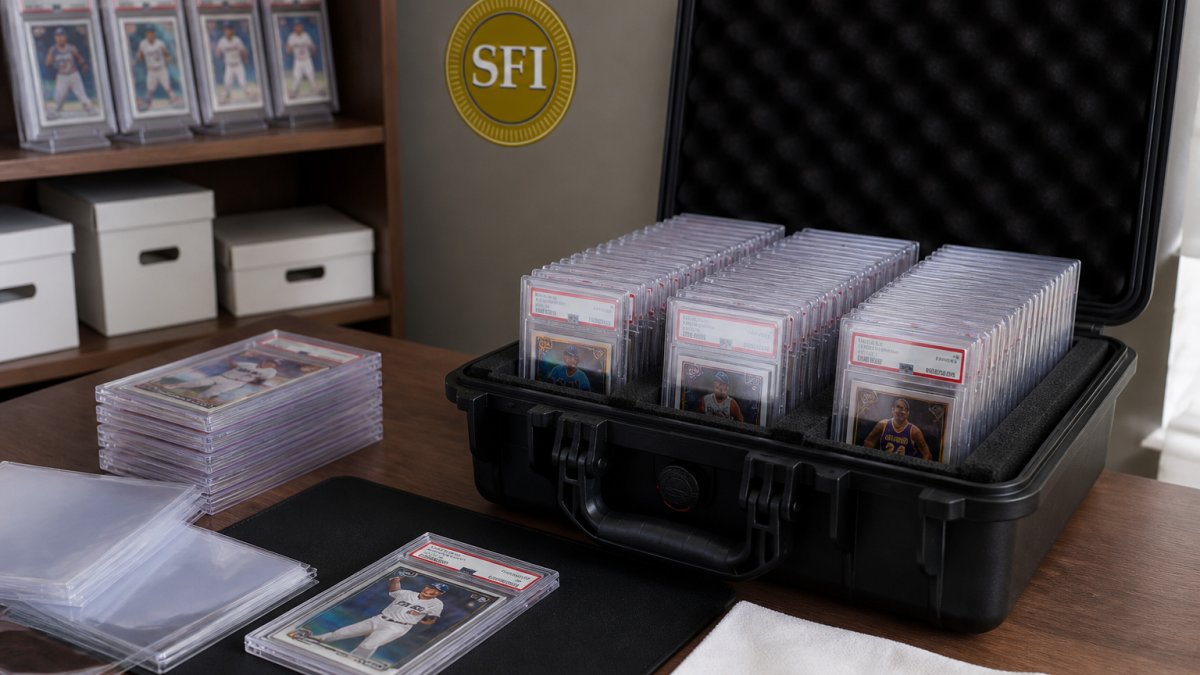
Protecting graded trading cards and collectible slabs is essential. The difference between a card that appreciates and one that depreciates often comes down to how well it's safeguarded from damage during storage and display. A single scratch, dust particle, or UV exposure can reduce a card's grade by half a point or more, a PSA 9 card worth $5,000 might drop to PSA 8.5 and fetch $2,500. The physical protection you choose directly impacts your collection's long-term value.
This guide covers the archival-grade solutions that serious collectors rely on, from precision-fit sleeves to magnetic display cases, explaining what makes a safeguard effective and which options work best for different card types.
Understanding Display Clarity Enhancement for Card Protection
Display clarity enhancement refers to the visual quality and protective transparency of materials surrounding your graded cards. The best safeguards achieve both simultaneously: a sleeve that clouds or yellow over time defeats the purpose of display, while a case with poor UV resistance allows fading even while the card sits behind glass.
Clarity matters because collectors expect to see the card clearly without distortion, haze, or color shift. When a PSA or BGS slab is housed in a cloudy sleeve, potential buyers question whether the card has been properly preserved. Crystal-clear protection signals serious investment care.
Materials that deliver the best clarity are archival-grade plastics or UV-resistant glass. These resist yellowing, maintain optical clarity over decades, and don't introduce chemical compounds that degrade the slab or card inside.
Archival-Grade Card Protection: The Foundation of Long-Term Preservation
Archival-grade protection refers to materials that are acid-free, lignin-free, and chemically stable over extended periods. For trading cards, this means the sleeve or case won't chemically interact with the card or slab to cause deterioration.
Standard sleeves often contain PVC (polyvinyl chloride), which releases hydrochloric acid as it breaks down, causing yellowing and permanent damage (peer-reviewed research). Archival-grade sleeves use polyethylene or polypropylene instead, materials that remain chemically inert for 50+ years (loc.gov).
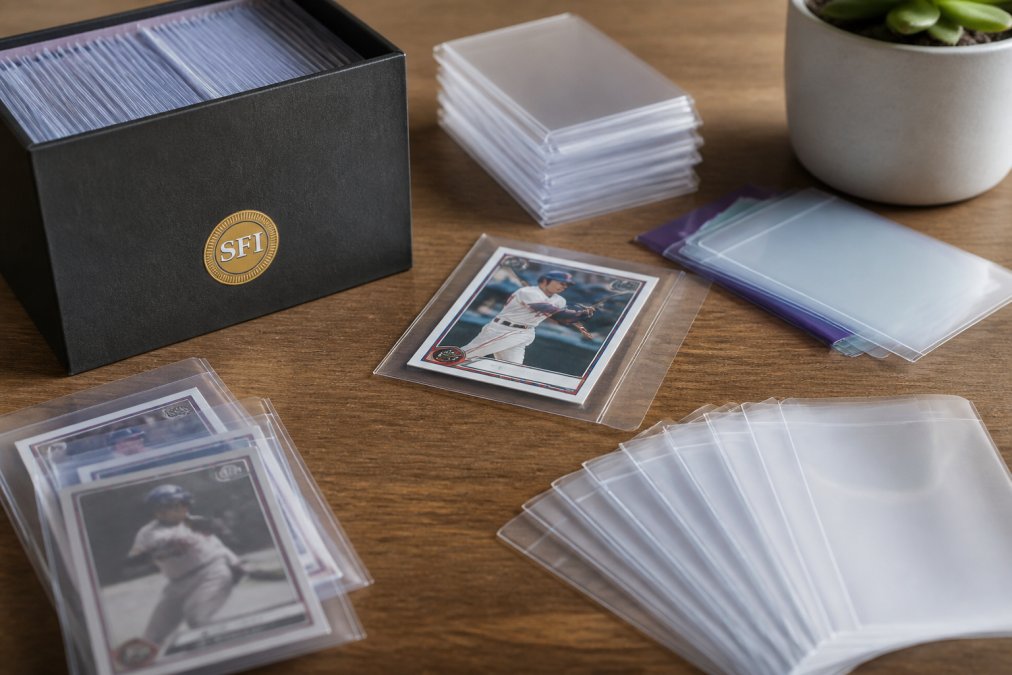
Long-term preservation also depends on precision-fit design. A sleeve that's too loose allows the card to shift, causing friction damage; one that's too tight creates pressure points that can crack the slab. Superior Fit Sleeves specializes in tapered, precision-cut sleeves engineered to match exact slab dimensions without excess material, eliminating movement while ensuring no chemical degradation.
Temperature and humidity stability matter too. Sealed cases with tempered glass create a microenvironment that buffers the card from humidity fluctuations and temperature swings that can warp slabs or cause condensation.
Best Sleeves for PSA Slabs and Other Graded Cards
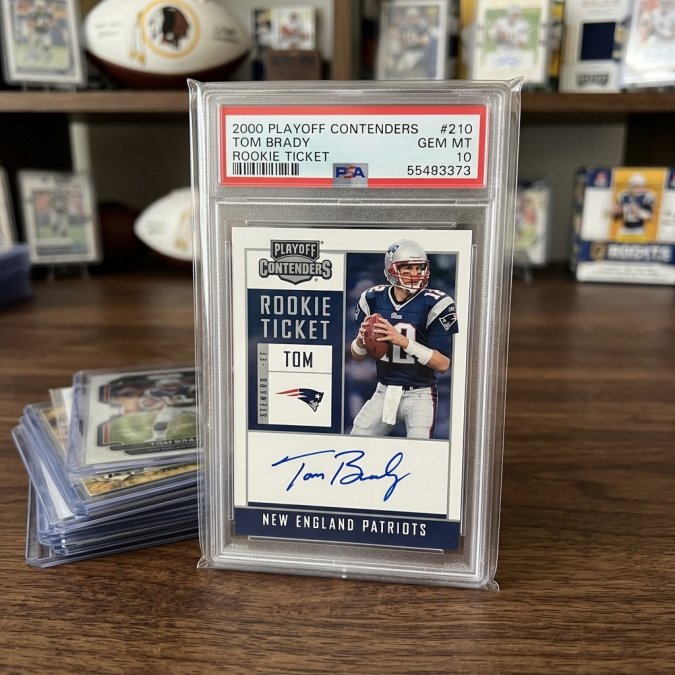
Sleeves designed specifically for graded slabs offer the most practical protection. Unlike generic card sleeves, slab-specific sleeves are engineered to fit exact dimensions of PSA, BGS, CGC, SGC, and other encasements without gaps or excessive tightness.
The ideal sleeve is crystal-clear with no haze, fits snugly without pressure, is made from archival-grade materials, and is easy to insert and remove without touching the slab. For PSA slabs, standard dimensions are 3.5" x 5.5" for modern cards, though variations exist for thick cards and vintage slabs.
Avoid budget options that promise to fit "most slabs." Loose fit is a false economy, a $0.50 sleeve that allows your card to shift can result in thousands of dollars in value loss if the card gets scratched. The cost difference between budget and premium sleeves is negligible compared to protection value.
Graded Card Slab Sleeves offer precision-cut protection designed for PSA, BGS, and CGC slabs, with options for standard and thick card variants. For collectors with mixed collections, precision-fit sleeves designed for each type ensure consistent protection across your collection.
How to Prevent Scratches on Card Cases and Display Holders
Scratches on the exterior of a slab case signal mishandling to potential buyers and often precede internal damage. Prevention starts with handling: always handle slabs by the edges, never the face, and insert them slowly into sleeves or cases using both hands.
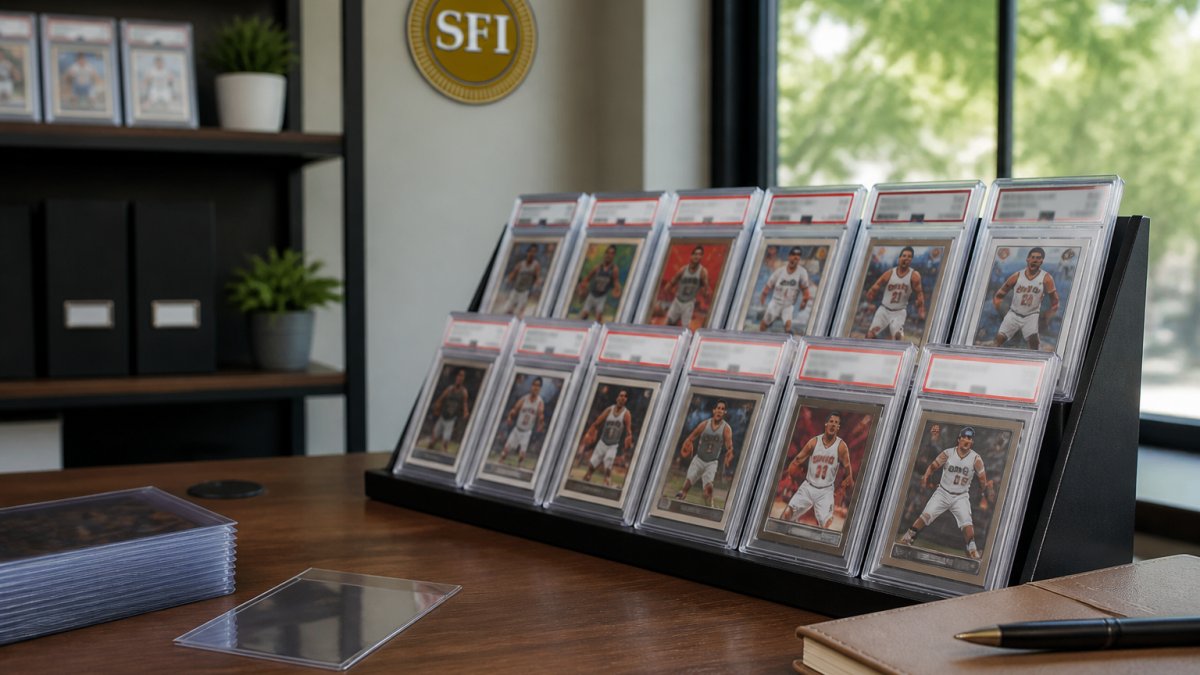
Storage location matters significantly. Cards stacked on top of each other create pressure and friction. The best practice is to store slabs upright or flat in a single layer, never stacked. Use dividers or compartments to prevent contact.
Dust particles trapped between the slab and holder create micro-scratches as the card shifts from temperature or humidity changes. Sealed cases with magnetic closures minimize dust exposure. For sleeves, store slabs in closed containers rather than open shelving.
Environmental stability also prevents scratches indirectly. When temperature and humidity fluctuate, slabs expand and contract slightly, creating friction that causes fine scratches. A climate-controlled storage area (65-70°F, 40-50% relative humidity) minimizes this micro-movement and extends the life of both slab and sleeve (si.edu).
Protection Method | Best For | Durability | Clarity |
|---|---|---|---|
Precision-fit sleeves | General storage and display | 10+ years | Crystal clear |
Magnetic one-touch cases | High-value display pieces | 15+ years | Excellent |
Acrylic display cases | Museum-quality presentation | 20+ years | Very good |
Top-loaders with sleeves | Budget-conscious storage | 5-7 years | Good |
Comparing Display Solutions: Sleeves, Cases, and Magnetic Holders
The market offers several distinct approaches to card protection, each with different strengths.
Sleeves are the most economical option and work well for large collections. A precision-fit sleeve costs significantly less than a magnetic case, making it practical to protect dozens or hundreds of cards. Sleeves excel at preventing dust, UV exposure, and physical contact, but are designed for storage more than display.
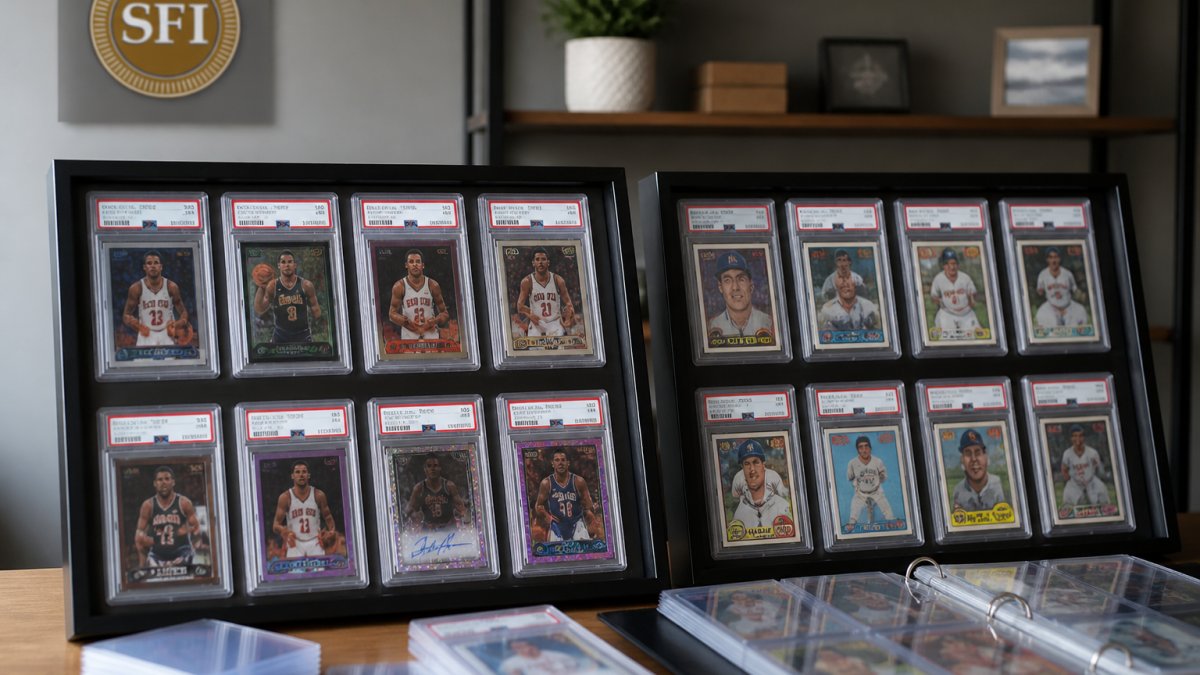
Magnetic one-touch cases elevate presentation with transparent front and back for 360-degree viewing. The trade-off is cost, they're best reserved for your most valuable pieces. Magnetic Card Case Sleeves provide a protective layer for these premium cases, safeguarding them from dust and minor handling wear.
Acrylic display cases offer a middle ground. They provide similar display quality to magnetic cases at lower cost, though acrylic can scratch more easily and some collectors find clarity slightly inferior.
Top-loaders represent the budget end, designed primarily for shipping and temporary storage rather than long-term preservation or display.
The decision comes down to card value and intended use. Cards worth under $100 are practical candidates for sleeved storage. Cards worth $100-$500 benefit from magnetic cases for the most valuable pieces, with sleeves for the rest. Cards worth over $500 deserve magnetic cases with UV protection and impact resistance.
Protecting Your Collection's Long-Term Value
The ultimate goal of any safeguard is to preserve your collection's value over time. This requires three elements: chemical stability from archival-grade materials, physical security from precision fit and impact resistance, and environmental control from sealed storage that minimizes exposure to light, humidity, and temperature swings.
Insurance and appraisal implications matter more than many collectors realize. Insurers often require documentation of storage conditions and protective measures. Cards stored in archival-grade sleeves in climate-controlled environments command higher appraisal values than cards in generic sleeves in uncontrolled storage.
Resale value also depends on presentation. A card in a cloudy, generic sleeve raises questions about proper care. The same card in a precision-fit sleeve signals professionalism and can add 5-10% to your selling price.
For collectors building long-term assets, the investment in quality safeguards compounds over time. A $0.50 sleeve per card on a 500-card collection costs $250. If those sleeves prevent even one card from losing a grade point due to damage or degradation, the protection pays for itself many times over.
Protecting a valued collection means choosing safeguards that match the cards' worth. Whether you're storing graded slabs, top-loaders, or magnetic cases, precision-fit archival-grade protection ensures your cards remain in excellent condition for decades. Superior Fit Sleeves offers specialized sleeves for PSA, BGS, CGC, and other major slab types, designed to safeguard valued investments from damage while maintaining crystal-clear display quality. Get started with precision-fit sleeves engineered for your specific card type and experience the difference that professional-grade protection makes.
Frequently Asked Questions
How do archival-grade sleeves protect card value?
Archival-grade sleeves are made from acid-free, non-reactive materials that prevent yellowing, discoloration, and chemical degradation over time. Unlike standard plastics that can off-gas harmful compounds, archival-grade protection maintains the card's original color and condition. This preservation directly impacts resale value—collectors and investors specifically seek cards protected with certified archival materials, as they demonstrate long-term care and asset protection commitment.
What is the difference between standard and perfect-fit sleeves for graded slabs?
Standard sleeves have excess space around graded slabs, allowing movement that causes scratches and wear. Perfect-fit sleeves are precision-cut to match specific slab dimensions (PSA, BGS, CGC), creating a snug fit that eliminates shifting and protects against impact. The tight fit also enhances display clarity by reducing glare and distortion, making the card's brilliance and visual appearance more prominent while safeguarding the investment from physical damage.
How can I prevent damage to magnetic cases and top-loaders?
Store magnetic cases and top-loaders upright in a stable, dust-free environment away from direct sunlight and temperature fluctuations. Use protective sleeves around the case itself to prevent surface scratches. Avoid stacking heavy items on top, and handle cases by their edges, not the glass or acrylic surfaces. For magnetic cases specifically, ensure the seal is tight and store in a cool, dry location to prevent moisture damage and maintain the tempered glass integrity.
Why is distortion-free material important for display cases?
Distortion-free materials preserve the true visual appearance and brilliance of your cards without optical warping or haze. Low-quality plastics can create blue tints, cloudiness, or magnification distortion that diminishes the card's aesthetic appeal and perceived value. Collectors and investors rely on clear, unobstructed viewing to assess condition, grade legitimacy, and overall quality. Crystal-clear optics enhance display presentation while accurately representing the card's true state for appraisal and resale purposes.
This article was written using GrandRanker